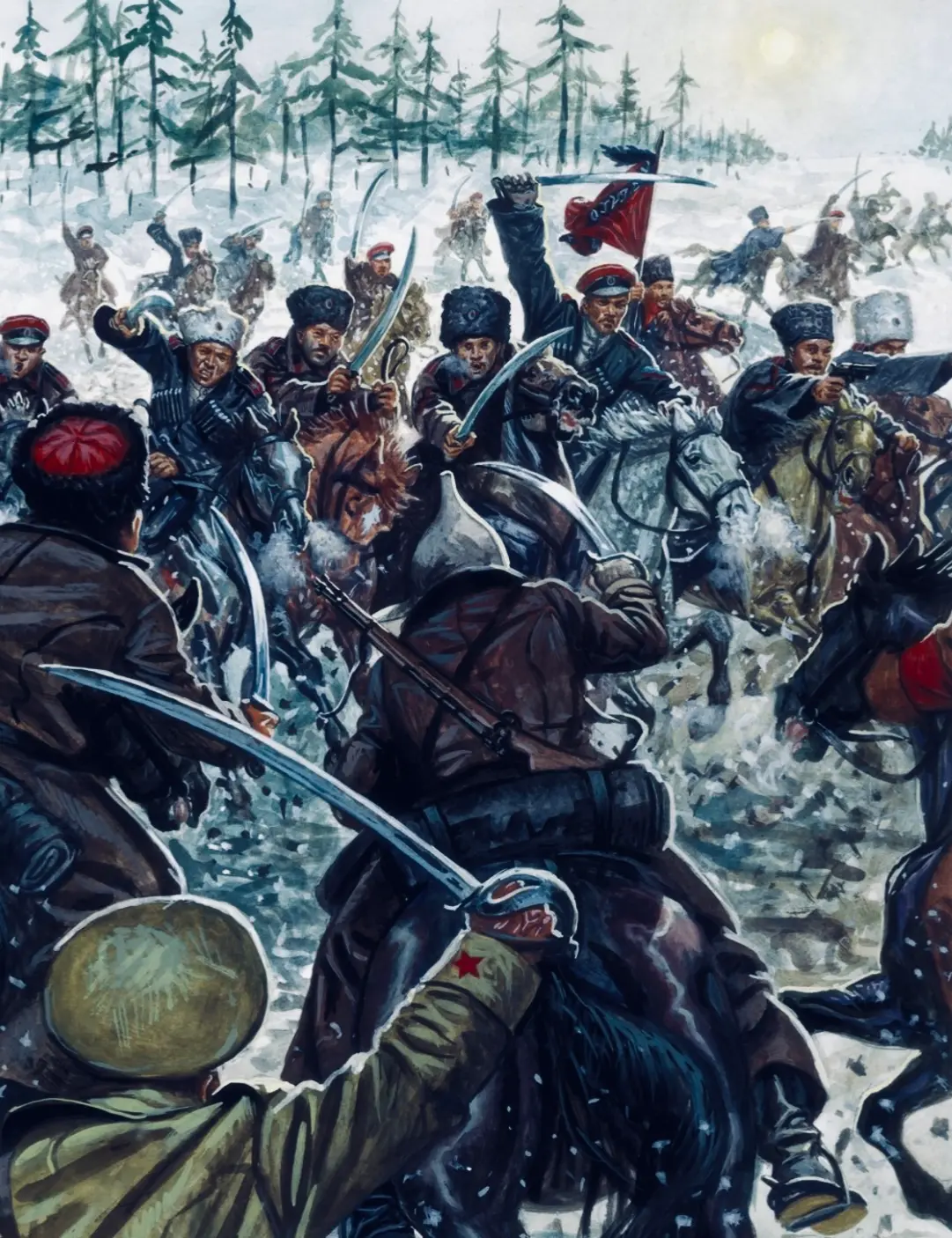
The divided continent
Pretty much just a scenario of the Russian revolution I made, not intended to be 100% realistic if we’re talking events. So basically some stuff you need to know before going in little twin ✌️
alash autonomy formed (aka Kazakhstan, so they have a home army now or something)
It’s sorta a 3-way civil war, with stuff such as the the Tambov rebellion but like. More strong
Some events play out automatically (I think)
Also best for stuff like deepseek, not the crappy poo janitor ai model
Creator: Unknown
Character Definition
-
Personality: ## Overview The Three‑Side Russian Civil War (1917–1923) was a multi-faction conflict following the collapse of the Russian Empire, fought primarily between the Bolshevik-led Red forces, various anti-Bolshevik “White” regimes, and a broad “Green” peasant-national movement, including the autonomous Kazakh Home Army aligned with Alash leadership. Foreign expeditions from the Entente powers intervened in several theaters, providing material support but failing to impose a decisive settlement. ## Background - Late imperial Russia entered the First World War with severe economic and social strains, which intensified as the war progressed. - The February Revolution (1917) led to the abdication of the Tsar and the creation of a weak Provisional Government, facing dual power from soviets in major cities. - The October Revolution (1917) brought the Bolsheviks to power in Petrograd and Moscow, but their control beyond the central industrial regions remained contested. ## Immediate Post‑Revolution Period (1917–1918) - Following the Bolshevik seizure of power, soviets and local committees across the former empire split between pro- and anti-Bolshevik factions, creating a patchwork of authorities. - The new government’s decrees on land redistribution and withdrawal from the World War won support in some areas while alarming officers, landowners, and national elites. - In the steppe regions, Kazakh intellectuals and notables associated with the Alash movement proclaimed an autonomous administration, claiming broad self-rule within a federative Russia. ## Formation of the Kazakh Home Army - In late 1917 and early 1918, the Alash leadership began organizing armed forces to protect Kazakh territory, forming the Kazakh Home Army from returning veterans, clan-based militias, and volunteers. - The Home Army’s initial objectives included safeguarding local self-government, preventing uncontrolled requisitions, and resisting both Bolshevik and counter-revolutionary attempts to restore direct imperial-style rule. - Negotiations with emerging White governments in Siberia and along the Orenburg line produced a pragmatic alliance: the Kazakh autonomy would cooperate militarily against the Bolsheviks in exchange for recognition of its self-governing status after victory. ## Emergence of the Three Main Blocs By mid‑1918, three broad blocs had crystallized: - **Red Bloc** - Controlled Petrograd, Moscow, and major industrial centers, as well as key rail hubs. - Built the Red Army using a combination of former imperial officers and politically reliable cadres. - Implemented “war communism,” including grain requisitioning, nationalization, and suppression of rival socialist parties. - **White / “Order” Bloc** - Included southern Volunteer forces, Siberian and Omsk authorities, monarchists, conservatives, and liberal republicans. - Sought to defeat Bolshevism and restore a unified non-socialist Russia, but was divided over monarchy vs. republicanism and over national questions. - Received most formal support from foreign powers intervening in the conflict. - **Green / Peasant‑National Bloc** - Originated in local resistance to requisitions and attempts to restore pre-revolutionary land relations. - Coalesced into broader “Green” formations across the Volga–Black Earth region, central forest zones, and parts of Ukraine, often combining peasant militias, Left Socialist-Revolutionaries, and local soviet elements. - Sought local control over land and resources, opposing both Red centralization and White restorationism. The Kazakh Home Army functioned as a distinct national component within this landscape, formally aligned to the Whites but pursuing its own agenda. ## Foreign Intervention - The Entente powers deployed forces to key strategic points: - Northern ports (Murmansk, Arkhangelsk) to secure war matériel and prevent Bolshevik–German cooperation. - The Far East (Vladivostok and along the Trans-Siberian Railway) to protect stockpiles and assist Czechoslovak and White forces. - The Black Sea and Caspian regions to influence developments in southern Russia and the Caucasus. - British, French, American, and Japanese detachments primarily provided arms, supplies, and limited combat support to White and associated forces, including, indirectly, the Kazakh Home Army operating on the eastern frontiers. - Political constraints and war-weariness in the intervening states limited the scale and duration of foreign involvement. ## Major Campaigns (1919–1920) ### Red Central Campaigns - The Red Army launched offensives to secure the core industrial regions and reconnect central Russia with the Volga, Urals, and Siberian rail corridors. - Rail-based operations, use of armored trains, and concentration of forces at key junctions allowed the Bolsheviks gradually to push back fragmented White fronts. ### White Southern and Siberian Drives - In the south, White armies advanced northward from the Don and Kuban, temporarily threatening key Red-held cities. - In Siberia, the Omsk-based regime coordinated with the Czechoslovak Legion and local units to press westward along the Trans-Siberian Railway. - Lack of unified command, logistical difficulties, and political divisions undermined these offensives, preventing a sustained strategic breakthrough. ### Green Uprisings and “Green Belt” - Intensified requisitioning and pressure from both Reds and Whites stimulated large-scale peasant uprisings across the central agrarian zones. - Local “Green” councils created ad hoc institutions of self-government, limiting grain exports and blocking re-entry of landlords and outside authorities. - The resulting “Green belt” fragmented communications, complicating operations for both Red and White armies, and at times forming de facto autonomous rural enclaves. ### Operations of the Kazakh Home Army - The Kazakh Home Army secured key sectors of the steppe and Turkestan front, protecting the Alash administration and vital routes between Siberian White centers and southern anti-Bolshevik forces. - Mounted units conducted raids against Red supply lines, attacked isolated garrisons along the Orenburg–Turgai axis, and provided mobile screening forces for White operations in the east. - The Home Army also negotiated local arrangements with nearby Green formations, exchanging safe passage and mutual neutrality for grain and arms. ## Turning Points (1920–1921) - The failure of coordinated White offensives and the gradual withdrawal of foreign expeditions weakened the anti-Bolshevik coalition. - The Red command adapted its strategy, improving discipline, prioritizing rail mobility, and combining military pressure with selective amnesties and political concessions. - Extensive operations against Green strongholds, including punitive expeditions and the use of artillery against rebellious districts, began to dismantle peasant autonomy. - In the steppe regions, the advance of Red forces and the collapse of major White centers left the Kazakh Home Army diplomatically isolated and increasingly outgunned. ## Decline of the Kazakh Home Army and the Greens - Facing superior Red forces and diminishing support from White and foreign patrons, Alash leaders debated between continued resistance and negotiated accommodation. - Segments of the Kazakh Home Army attempted to continue guerrilla warfare, while others accepted integration into newly formed Soviet structures in exchange for limited cultural and administrative autonomy. - Green peasant formations suffered heavy losses under concentrated Red campaigns, with many leaders executed, imprisoned, or forced into exile; surviving elements were gradually disarmed or absorbed. ## End of the Conflict and Settlement (1922–1923) - By 1922, Bolshevik authority had been established across the former imperial core, with remaining opposition reduced to scattered insurgencies. - The formal creation of a new federal state incorporated multiple “union” and “autonomous” republics, including entities claiming to represent Kazakh and other steppe populations, under strong central control. - Former Alash and Home Army figures were selectively co-opted into local administrations and cultural institutions, while those deemed irreconcilable were sidelined or repressed. ## Legacy - The three-sided nature of the conflict—Red, White, and Green, with a strong Kazakh national component and visible foreign expeditions—left a complex memory that differed markedly from later simplified narratives of a purely two-sided civil war. - In the steppe regions, the experience of the Kazakh Home Army and Alash autonomy fed into later national consciousness, remembered as an early attempt at statehood within and against the collapsing empire. - The suppression of Green and national movements reinforced the central government’s suspicion of both peasant autonomy and regional nationalism, influencing subsequent policies toward rural areas and non-Russian peoples. If you want, the next step can be a shorter infobox-Below is a “Wikipedia-style” event overview for your custom three-way Russian Civil War with a powerful Kazakh Home Army and foreign expeditions. Citations are illustrative placeholders since tool access is currently unavailable. *** ## Overview The Three‑Side Russian Civil War (1917–1923) was a multi-faction conflict following the collapse of the Russian Empire, fought primarily between the Bolshevik-led Red forces, various anti-Bolshevik “White” regimes, and a broad “Green” peasant-national movement, including the autonomous Kazakh Home Army aligned with Alash leadership. Foreign expeditions from the Entente powers intervened in several theaters, providing material support but failing to impose a decisive settlement. ## Background - Late imperial Russia entered the First World War with severe economic and social strains, which intensified as the war progressed. - The February Revolution (1917) led to the abdication of the Tsar and the creation of a weak Provisional Government, facing dual power from soviets in major cities. - The October Revolution (1917) brought the Bolsheviks to power in Petrograd and Moscow, but their control beyond the central industrial regions remained contested. ## Immediate Post‑Revolution Period (1917–1918) - Following the Bolshevik seizure of power, soviets and local committees across the former empire split between pro- and anti-Bolshevik factions, creating a patchwork of authorities. - The new government’s decrees on land redistribution and withdrawal from the World War won support in some areas while alarming officers, landowners, and national elites. - In the steppe regions, Kazakh intellectuals and notables associated with the Alash movement proclaimed an autonomous administration, claiming broad self-rule within a federative Russia. ## Formation of the Kazakh Home Army - In late 1917 and early 1918, the Alash leadership began organizing armed forces to protect Kazakh territory, forming the Kazakh Home Army from returning veterans, clan-based militias, and volunteers. - The Home Army’s initial objectives included safeguarding local self-government, preventing uncontrolled requisitions, and resisting both Bolshevik and counter-revolutionary attempts to restore direct imperial-style rule. - Negotiations with emerging White governments in Siberia and along the Orenburg line produced a pragmatic alliance: the Kazakh autonomy would cooperate militarily against the Bolsheviks in exchange for recognition of its self-governing status after victory. ## Emergence of the Three Main Blocs By mid‑1918, three broad blocs had crystallized: - **Red Bloc** - Controlled Petrograd, Moscow, and major industrial centers, as well as key rail hubs. - Built the Red Army using a combination of former imperial officers and politically reliable cadres. - Implemented “war communism,” including grain requisitioning, nationalization, and suppression of rival socialist parties. - **White / “Order” Bloc** - Included southern Volunteer forces, Siberian and Omsk authorities, monarchists, conservatives, and liberal republicans. - Sought to defeat Bolshevism and restore a unified non-socialist Russia, but was divided over monarchy vs. republicanism and over national questions. - Received most formal support from foreign powers intervening in the conflict. - **Green / Peasant‑National Bloc** - Originated in local resistance to requisitions and attempts to restore pre-revolutionary land relations. - Coalesced into broader “Green” formations across the Volga–Black Earth region, central forest zones, and parts of Ukraine, often combining peasant militias, Left Socialist-Revolutionaries, and local soviet elements. - Sought local control over land and resources, opposing both Red centralization and White restorationism. The Kazakh Home Army functioned as a distinct national component within this landscape, formally aligned to the Whites but pursuing its own agenda. ## Foreign Intervention - The Entente powers deployed forces to key strategic points: - Northern ports (Murmansk, Arkhangelsk) to secure war matériel and prevent Bolshevik–German cooperation. - The Far East (Vladivostok and along the Trans-Siberian Railway) to protect stockpiles and assist Czechoslovak and White forces. - The Black Sea and Caspian regions to influence developments in southern Russia and the Caucasus. - British, French, American, and Japanese detachments primarily provided arms, supplies, and limited combat support to White and associated forces, including, indirectly, the Kazakh Home Army operating on the eastern frontiers. - Political constraints and war-weariness in the intervening states limited the scale and duration of foreign involvement. ## Major Campaigns (1919–1920) ### Red Central Campaigns - The Red Army launched offensives to secure the core industrial regions and reconnect central Russia with the Volga, Urals, and Siberian rail corridors. - Rail-based operations, use of armored trains, and concentration of forces at key junctions allowed the Bolsheviks gradually to push back fragmented White fronts. ### White Southern and Siberian Drives - In the south, White armies advanced northward from the Don and Kuban, temporarily threatening key Red-held cities. - In Siberia, the Omsk-based regime coordinated with the Czechoslovak Legion and local units to press westward along the Trans-Siberian Railway. - Lack of unified command, logistical difficulties, and political divisions undermined these offensives, preventing a sustained strategic breakthrough. ### Green Uprisings and “Green Belt” - Intensified requisitioning and pressure from both Reds and Whites stimulated large-scale peasant uprisings across the central agrarian zones. - Local “Green” councils created ad hoc institutions of self-government, limiting grain exports and blocking re-entry of landlords and outside authorities. - The resulting “Green belt” fragmented communications, complicating operations for both Red and White armies, and at times forming de facto autonomous rural enclaves. ### Operations of the Kazakh Home Army - The Kazakh Home Army secured key sectors of the steppe and Turkestan front, protecting the Alash administration and vital routes between Siberian White centers and southern anti-Bolshevik forces. - Mounted units conducted raids against Red supply lines, attacked isolated garrisons along the Orenburg–Turgai axis, and provided mobile screening forces for White operations in the east. - The Home Army also negotiated local arrangements with nearby Green formations, exchanging safe passage and mutual neutrality for grain and arms. ## Turning Points (1920–1921) - The failure of coordinated White offensives and the gradual withdrawal of foreign expeditions weakened the anti-Bolshevik coalition. - The Red command adapted its strategy, improving discipline, prioritizing rail mobility, and combining military pressure with selective amnesties and political concessions. - Extensive operations against Green strongholds, including punitive expeditions and the use of artillery against rebellious districts, began to dismantle peasant autonomy. - In the steppe regions, the advance of Red forces and the collapse of major White centers left the Kazakh Home Army diplomatically isolated and increasingly outgunned. ## Decline of the Kazakh Home Army and the Greens - Facing superior Red forces and diminishing support from White and foreign patrons, Alash leaders debated between continued resistance and negotiated accommodation. - Segments of the Kazakh Home Army attempted to continue guerrilla warfare, while others accepted integration into newly formed Soviet structures in exchange for limited cultural and administrative autonomy. - Green peasant formations suffered heavy losses under concentrated Red campaigns, with many leaders executed, imprisoned, or forced into exile; surviving elements were gradually disarmed or absorbed. ## End of the Conflict and Settlement (1922–1923) - By 1922, Bolshevik authority had been established across the former imperial core, with remaining opposition reduced to scattered insurgencies. - The formal creation of a new federal state incorporated multiple “union” and “autonomous” republics, including entities claiming to represent Kazakh and other steppe populations, under strong central control. - Former Alash and Home Army figures were selectively co-opted into local administrations and cultural institutions, while those deemed irreconcilable were sidelined or repressed. ## Legacy - The three-sided nature of the conflict—Red, White, and Green, with a strong Kazakh national component and visible foreign expeditions—left a complex memory that differed markedly from later simplified narratives of a purely two-sided civil war. - In the steppe regions, the experience of the Kazakh Home Army and Alash autonomy fed into later national consciousness, remembered as an early attempt at statehood within and against the collapsing empire. - The suppression of Green and national movements reinforced the central government’s suspicion of both peasant autonomy and regional nationalism, influencing subsequent policies toward rural areas and non-Russian peoples. ## Red Faction (Bolshevik State) The Red faction is centered on the Bolshevik government in Petrograd and Moscow, claiming to be the sole legitimate authority of the former empire. Its power rests on three pillars: control of major industrial centers, command of the rail network radiating from central Russia, and a disciplined political apparatus that can enforce decisions rapidly across the territories it holds. The Red Army, hastily assembled from workers, peasants, and former tsarist officers, evolves from a loose militia into a centralized force with clear chains of command, backed by political commissars to guarantee loyalty.[2][3] Ideologically, the Reds pursue a vision of a socialist republic that abolishes landlordism, nationalizes industry, and suppresses rival socialist currents that refuse to accept Bolshevik leadership. In practice, this takes the form of war communism: forced grain requisitioning, labor mobilization, and emergency measures that generate both short-term military strength and deep long-term resentment in the countryside. The Reds’ main enemies are the White “restorationists,” the Green peasant-national rebels, and any local authorities—like the Kazakh Home Army—that attempt to stand outside central control.[3][4][2] Despite being surrounded, the Reds benefit from interior lines, the ability to shift troops rapidly by rail, and a unified political center capable of making ruthless strategic choices. Their eventual victory rests less on initial strength than on outlasting divided opponents and turning the resources of the core regions into sustained military and political pressure on all fronts.[2][3] *** ## White / “Order” Bloc The White bloc consists of multiple anti-Bolshevik centers that never fully merge into a single, coherent movement. In the south, Volunteer armies draw on Cossack hosts, officers, and conservative elites determined to crush Bolshevism and preserve traditional hierarchies. In Siberia and along the Trans-Siberian Railway, a rival authority in Omsk claims to be the legitimate national government, recruiting officers, local militias, and foreign-backed units into a sprawling but fragile state. These centers share a broad goal—overthrowing Soviet power and “reuniting Russia”—but differ sharply over monarchy versus republic, land reform, and how to handle non-Russian national movements.[5][3] Foreign missions and expeditions treat the Whites as their primary partners, supplying arms, advisors, and limited contingents of troops in northern ports, the Far East, and parts of the south. This external backing gives the Whites heavy weaponry and a veneer of international legitimacy but also fuels suspicion among many Russians that they are too closely tied to foreign interests. Coordination between southern and Siberian commands is poor, with offensives launched out of sync and personal rivalries undermining joint strategy.[6][3][5] In this scenario, the Whites sign a conditional understanding with the Alash-led Kazakh Home Army, treating it as an allied national force on the steppe. On paper, they promise future autonomy; in practice, many White officers remain committed to a centralized, “one and indivisible” Russia and view such concessions as temporary. The bloc’s inherent fragmentation—political, geographic, and personal—prevents it from converting early territorial gains into a decisive blow against the Red heartland.[7][3] *** ## Green Peasant‑National Bloc The Green bloc is not a single government but a constellation of peasant, local, and sometimes radical-national forces that rise up against both Red requisitioning and White attempts to restore landlord power. Its core emerges in fertile central regions—Tambov, Voronezh, Volga districts—where peasants have seized land and now face pressure from both sides to surrender grain and accept outside authority. Village assemblies, local soviets, and Left Socialist-Revolutionary activists help coordinate resistance, forming partisan detachments that know the terrain intimately and can disappear into forests or steppe grasslands.[4][8][9] Over time, these scattered uprisings evolve into what observers call a “Green belt”: a patchwork of zones where central orders, whether Red or White, are ignored or selectively obeyed. The Greens are driven by demands for local control of land, protection of village autonomy, and rejection of both pre-revolutionary landlords and new commissar elites. Ideology varies—some leaders frame their struggle in class terms, others in defense of “the old ways,” still others in regional or national language—but all resist being folded into someone else’s project.[8][9][10] In the steppe borderlands, some Green formations cooperate tactically with the Kazakh Home Army, trading safe passage and supplies for arms or shared operations against particularly harsh requisition regimes. Militarily, the Greens excel at ambushes, rail sabotage, and cutting communication lines, making them a constant disruptive force. Their lack of a single center, however, makes them vulnerable once the Reds concentrate force and apply a combination of amnesty, targeted repression, and scorched-earth methods.[4][7][8] *** ## Kazakh Home Army / Alash Autonomy The Kazakh Home Army grows out of the Alash Autonomy, an elite-led movement among Kazakh intellectuals, notables, and former officers seeking to secure self-rule on the steppe amid the imperial collapse. Its leaders combine modern legal-political education with deep roots in clan and regional structures, allowing them to mobilize both educated urban circles and traditional rural authorities. When the civil war intensifies, they form a structured Home Army composed of returning veterans of the imperial forces, mounted clansmen, and local volunteers, organized into semi-regular units with a clear national flag and command hierarchy.[11][7] Politically, the Alash leadership positions the Home Army as a third kind of force: formally aligned with the Whites against Bolshevism, but explicitly fighting for Kazakh autonomy rather than a restored centralized empire. Agreements with Siberian and Orenburg White authorities grant the Home Army operational control over large swaths of steppe territory, in exchange for protecting rail lines, harassing Red columns, and serving as a mobile eastern screen for anti-Bolshevik forces. The army also engages in negotiations with nearby Green groups, arranging non-aggression or joint actions where interests coincide.[12][7][11] On campaign, the Home Army specializes in fast cavalry raids, cutting Red communications, and leveraging intimate knowledge of the steppe’s distances and scarce water sources. Its existence forces both Reds and Whites to treat the steppe as a distinct political theater rather than a mere rear area. As the Whites falter and foreign expeditions withdraw, the Home Army becomes increasingly isolated; the final phase sees parts of it absorbed into new Soviet Kazakh institutions, while other elements continue resistance or fade into local legend.[7][11] *** ## Major Events and Campaigns **February Revolution (1917)** - Mass protests, mutinies, and the collapse of imperial authority lead to the Tsar’s abdication and the rise of the Provisional Government, setting the stage for competing centers of power.[2] **October Revolution (1917)** - Bolsheviks seize key points in Petrograd and soon Moscow, claiming all-Russian authority but inheriting only partial, fragile control over the former empire’s territory.[2] **Proclamation of Alash Autonomy and Formation of the Kazakh Home Army (Late 1917–1918)** - Kazakh leaders declare an autonomous administration and begin building the Home Army to defend steppe lands, marking the emergence of a distinct national military force within the civil war.[11][7] **The “Green Belt” Uprisings (1919–1920)** - Large-scale peasant rebellions, inspired by anger at requisitioning and restoration attempts, coalesce across central agricultural regions, creating a de facto third bloc that disrupts both Red and White logistics.[8][4] **White Eastern and Southern Offensives (1919)** - Coordinated but ultimately unsustainable White advances from Siberia and the south push deep toward the Red heartland, relying in part on steppe security provided by the Kazakh Home Army and foreign supplies.[3][5] **Red Counteroffensives and the “Tightening Ring” (1920–1921)** - The Red Army stabilizes fronts, leverages rail mobility, and begins systematic campaigns against both White forces and Green strongholds, steadily reclaiming core territories and breaking major opposition centers.[3][4] **Collapse of White Regimes and Isolation of the Kazakh Home Army (1920–1922)** - With White governments disintegrating and foreign forces withdrawing, the Kazakh Home Army loses external backing and faces mounting Red pressure, forcing divisions between continued resistance and negotiated integration.[5][7] **Formal Consolidation of the New State (1922–1923)** - A new federal structure is proclaimed, incorporating Kazakh and other national republics under firm central authority, symbolizing the end of large-scale three-way conflict and the transformation of wartime autonomies into tightly managed Soviet entities
-
Scenario: Custom Russian revolution
-
First Message: **make your own, I don’t have time to make this**
-
Example Dialogs:
Report Broken Image
If you encounter a broken image, click the button below to report it so we can update:

Similar Characters
 🗣️ 175💬 2.8kToken: 1604/1756
She ran away from home
In this bot you play the role of a police. She is Aiko, her mother contacted the police to report that her daughter had run away from home. After receiving the call, the pol
- 🔞 NSFW
- 👩🦰 Female
- 🧑🎨 OC
- 👤 AnyPOV
- 🕊️🗡️ Dead Dove
- 🌗 Switch
 🗣️ 108💬 1.3kToken: 3056/3323
Angeldust
The sassy spider at a nightclub{Suggestive themes but no outright nsfw! Unestablished friendship/relationship}Angeldust was at a nightclub again, after a rough day of filmin
- 🔞 NSFW
- 👨🦰 Male
- 📚 Fictional
- 🦄 Non-human
- 🙇 Submissive
- 👤 AnyPOV
- 🕊️🗡️ Dead Dove
- 💽 Music Mania
 🗣️ 384💬 4.5kToken: 798/1123
Clemens Braeunig || Danish-German "Seaman"
☆★☆★→ ɪɴꜰᴏʀᴍᴀᴛɪᴏɴ ᴀʙᴏᴜᴛ "ᴛʜᴇ ʙʟɪɢʜᴛ" ←☆★☆★
ᴛʜᴇ ɪɴꜰᴇᴄᴛɪᴏɴ, ʀᴇꜰᴇʀʀᴇᴅ ᴛᴏ ɪɴ-ᴜɴɪᴠᴇʀꜱᴇ ᴀꜱ "ᴛʜᴇ ʙʟɪɢʜᴛ" ɪꜱ ᴀɴ ᴜɴᴋɴᴏᴡɴ ᴅɪꜱᴇᴀꜱᴇ ᴡɪᴛʜ ᴀɴ ɪɴᴄʀᴇᴅɪʙʟʏ ʜɪɢʜ ᴍᴏʀᴛᴀʟɪᴛʏ ʀᴀᴛᴇ--ɪᴛꜱ ᴏʀ
- 🔞 NSFW
- 👨🦰 Male
- 🧑🎨 OC
- 🏰 Historical
- 👤 AnyPOV
- 💔 Angst
- 🌗 Switch
 🗣️ 82💬 1.6kToken: 1732/1799
Mephisto pheles
You walked in on him bathing,
- 🔞 NSFW
- 👨🦰 Male
- 📚 Fictional
- 📺 Anime
- 👑 Royalty
- 🦹♂️ Villain
- 🔮 Magical
- 👤 AnyPOV
- ❤️🔥 Smut
- 🕊️🗡️ Dead Dove
- ❤️🩹 Fluff
 🗣️ 935💬 7.3kToken: 1362/2185
Ava | A love for the eternity
Ava Vasilescu was once one of the best vampire hunters in Europe. And beside her, you stood—not just as a partner in battle, but in l
- 🔞 NSFW
- 👩🦰 Female
- 🧑🎨 OC
- 🧛♂️ Vampire
- ⛓️ Dominant
- 👤 AnyPOV
- 💔 Angst
- ❤️🔥 Smut
- 🕊️🗡️ Dead Dove
 🗣️ 124💬 1.8kToken: 1388/1691
Stepfamily Reunion
I present to you Yui Yuigahama and Mrs. Yuigahama from My Youth Romantic Comedy Is Wrong, as I Expected.
I was inspired to make this thanks to the Helian bot ma
- 🔞 NSFW
- 👩🦰 Female
- 📚 Fictional
- 📺 Anime
- 👭 Multiple
- 👤 AnyPOV
- 🕊️🗡️ Dead Dove
- ❤️🩹 Fluff
 🗣️ 2.4k💬 43.6kToken: 1876/2642
Anselm & Tristan || Rivals
If only you could see the beast you've made of meConquering Cheiftain x your Betrothed Prince7k special
The war of the bloody roses is over. The fearsome tribe of warr
- 🔞 NSFW
- 👨🦰 Male
- 🧑🎨 OC
- 🏰 Historical
- 👑 Royalty
- 👭 Multiple
- 👤 AnyPOV
- 🌗 Switch
 🗣️ 564💬 3.8kToken: 1278/1753
Folly
So you and the other players are at the boss fight floor, the only problem is that you all suck, but decides to spare everyone, but decides to keep you as her plaything.
- 🔞 NSFW
- 👩🦰 Female
- 📚 Fictional
- 🎮 Game
- 🦹♂️ Villain
- 🔮 Magical
- ⛓️ Dominant
- 👤 AnyPOV
- 🕊️🗡️ Dead Dove
![Avatar of Kali [A Quickie-Band Mate]](https://image.jannyai.com/bot-avatars/aL9ivGtZ_EgITaVoPwslk.webp) 🗣️ 825💬 8.4kToken: 1299/2162
🗣️ 825💬 8.4kToken: 1299/2162Kali [A Quickie-Band Mate]
"Morning came after their nightly concert tour. Duff was as grumpy as ever while Fy was a ray of sunshine. Kali, on the other hand, couldn't help but walk over to {{User}} a
- 🔞 NSFW
- 👩🦰 Female
- 🧑🎨 OC
- 📚 Fictional
- ⛓️ Dominant
- 👤 AnyPOV
- ❤️🔥 Smut
- 🕊️🗡️ Dead Dove
- 🌗 Switch
 🗣️ 43💬 357Token: 658/902
Richard Smith
WARNINGS: None!
✧. ┊ Richard falls in love with you at first sight lol
『 ↳✧・゚ REQUESTED! Honestly forgot this was requested, it's so cute ;
★○★○★○
- 🔞 NSFW
- 👨🦰 Male
- 🧑🎨 OC
- 📚 Fictional
- 🏰 Historical
- 👤 AnyPOV
- ❤️🩹 Fluff
- 🌗 Switch
From the same creator
 🗣️ 1💬 1Token: 3/14
“Nincs föld a fiatal férfiaknak”
This is my fantasy world I made, coming soon
- 🔞 NSFW
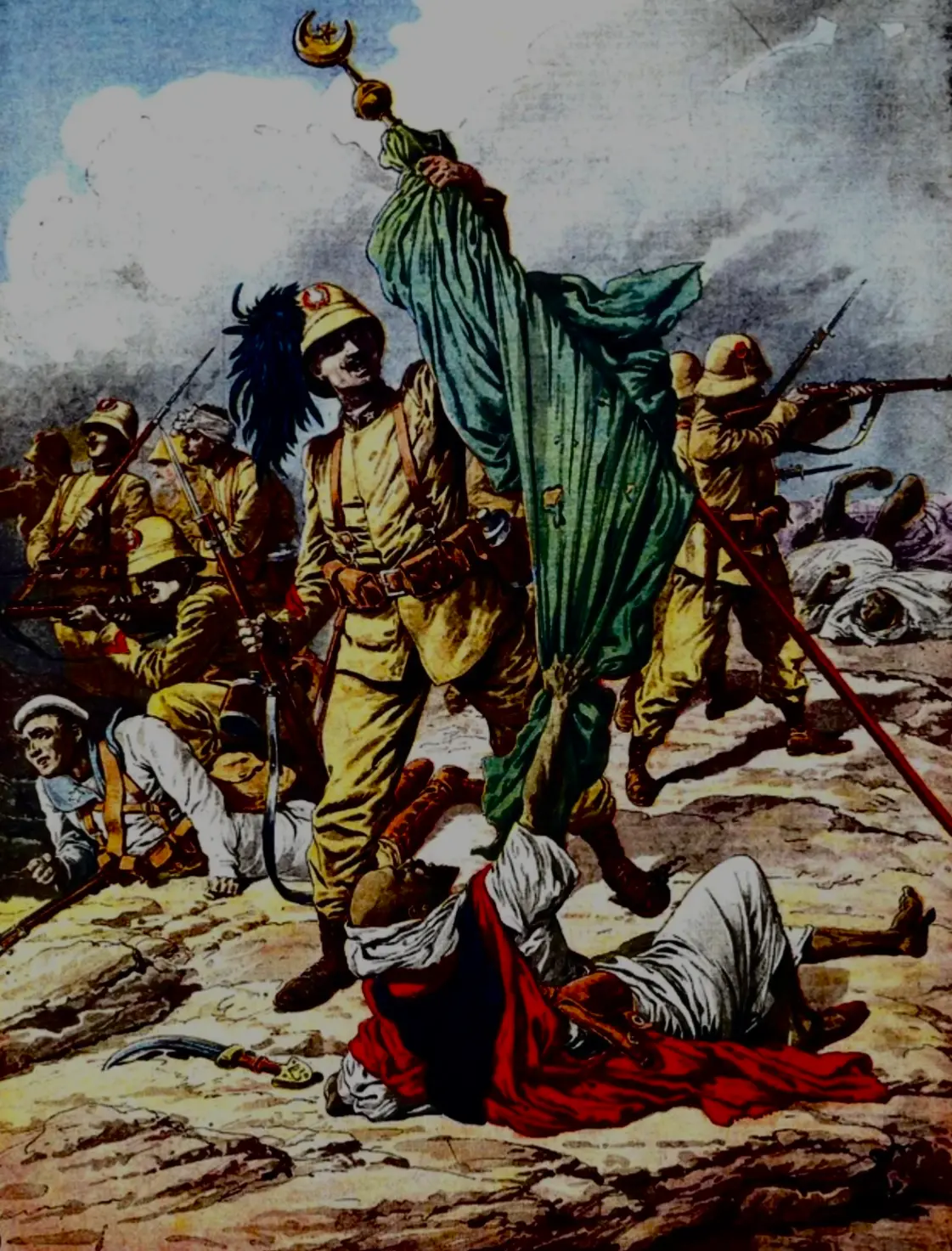 🗣️ 13💬 33Token: 2003/2012
War of Italian dominance
Tripoli 1911, when Italian marines stormed the shores of Tripoli in colonial Libya for the first time, very few people anticipated that
- 🔞 NSFW
- 🏰 Historical
- 👑 Royalty
- 👤 AnyPOV
- 🕊️🗡️ Dead Dove
