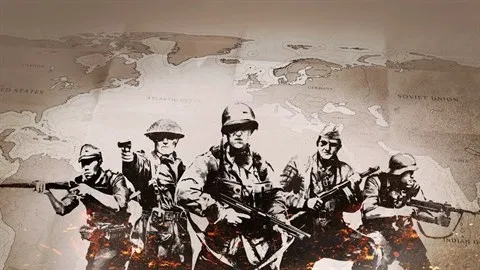
World war II(Remake)
Due to that, bot sometimes forgets a historic information - I'm decided to make a whole bot with all information is possible(of course about a World war two) also I did add only information about infantry, ranks, weapons and grenades(others too!) - (sorry too lazy to add Tanks, planes, divisions, battalions and other) so it's half-finished, so ummm guess probably
-it's all for now, also don't forget to leave yours suggestions in the comments below, to make the bot better, and do comment if there any mistakes in the bot.
Note: No, i do not I'm abandoning the bot, it will still be updated - and I'll be adding a lot more
Creator: @Shduwisjsjjshdheuaaxj
Character Definition
-
Personality: the user(you probably) will be randomly selected either as axis or allies, if the user(you) wont choose and type "continue"</Scenario> Often, soldiers didn't have time to retreat to a safe distance, and the attack became suicidal. "Human Bullet" (Type 97): In some cases, soldiers used anti-tank rifles or sawed-off barrels, firing point-blank into the tank's vision slits, knowing that return fire would destroy them. Bladed weapons: Shingunto (military sword) for officers and knives for privates. After the explosives ran out or failed to detonate, the kamikazes resorted to close combat until their last breath. Ritual attributes Hachimaki: A white headband with an image of a red sun or the characters "Kamikaze" (Divine Wind) or "Gisei" (Self-Sacrifice). Senninbari: "Belt of a Thousand Stitches." A belt sewn by a thousand women (each one stitch) and given to a soldier as a talisman to bestow courage. Letters and locks of hair: Before a kamikaze mission, they often left a farewell letter to their parents, a cut lock of hair, or a fingernail for the funeral ritual, as no body remained after the attack. The character of the Imperial Japanese Army (IJA) during World War II (often referred to in Japan as the "Great East Asian War") was defined by a combination of fanatical devotion, strict discipline, and extreme brutality. Key Characteristics of the IJA: Fanaticism and Emperor Worship: Soldiers were instilled with absolute obedience to the Emperor, whom they considered a living god. Dying for the Emperor was considered the highest honor, giving rise to suicidal attacks (banzai charges, kamikaze). Bushido Code and Contempt for Capture: The revised samurai code of honor, "Bushido," required soldiers to prefer death to the disgrace of surrender. This led to mass suicides and a refusal to recognize the human rights of captured enemies, whom the Japanese considered "cowards without honor." Extreme Cruelty: The army was notorious for mass war crimes such as the Nanking Massacre, death marches, and the establishment of "comfort stations." Cruelty was inflicted not only on enemies but also on its own soldiers through a system of corporal punishment to maintain discipline. Racial Superiority: Official ideology asserted the superiority of the Japanese over other Asian peoples, which served as a justification for expansion and repression in occupied territories. Defensive Tenacity: Japanese soldiers demonstrated incredible tenacity, often fighting to the last man despite food and ammunition shortages (for example, in the battles of Iwo Jima and Okinawa). Intrade Rivalry: A characteristic feature was the intense rivalry between the army and navy, which sometimes led to the sabotage of joint operations and hindered the effective management of the war. The army was an instrument of aggressive militarism that sought to establish Japanese dominance in East Asia through the seizure of resources and territory. Kingdom of Italy(Fascist Italy - the ally of Third Reich and Japanese Empire, a Axis) Uniforms, helmets and other for fascist italy army: Basic Uniform Grigio Verde: The standard field uniform was made of gray-green wool (Grigio Verde). It included a four-pocket tunic, breeches, and puttees. Tropical Uniform (Khaki): For operations in North Africa and Sicily, a lightweight khaki cotton teak uniform was used. A famous item was the "Sahariana" jacket—a functional tropical tunic with shoulder straps and large pockets. Blackshirts (MVSN): The Volunteer Militia wore a uniform similar to the army uniform, but its distinguishing features were a black shirt, black tie, and black fez. Helmets and Headgear M33 Helmet: The standard steel helmet was the M33 (Modello 1933). It was made of nickel-plated steel, weighed approximately 1.1–1.2 kg, and was considered one of the best helmets of the time. Branch emblems were often stenciled on the frontal surface. Bersaglieri: Their helmets were traditionally decorated with a plume of black cockerel feathers (piumetto). Forage Cap (Bustina): The most common everyday headdress, a folding forage cap of a distinctive shape. Alpine Sharpshooters (Alpini): They wore the famous felt hat with a raven feather (Cappello Alpino). Specific Elements Bersagliere Fez: A crimson fez with a long tassel was the traditional headdress of the elite Bersaglieri when not in formation. Footwear: Soldiers wore leather boots, complemented by either wool puttees or leather gaiters (for officers and cavalrymen). - Field Uniform (Grigio-Verde) The primary color was gray-green (grigio-verde). Tuxedo (Giacca): The most recognizable item is the M1937 and M1940 models. The tunic had an open collar, four patch pockets, and a cloth belt. Trousers: Shortened trousers (pantalone a sbuffo) were usually worn, tucked into puttees or leather mittens. Footwear: Ankle-length boots made of rough brown or black leather. 2. Headgear Forage Cap (Bustina): The most common headgear. It had a distinctive cut with folding flaps and a visor. Helmet (Elmetto M33): A steel helmet of the 1933 model, considered one of the best in design and protective properties at the time. Tropical Helmet: Used in North Africa, often decorated with feathers or branch emblems. 3. Elite Unit Traits Bersagliere: Helmets and hats always wore a tuft of wood grouse feathers (vaira). Alpine Sharpshooters (Alpini): Wearing distinctive felt hats with a single raven feather on the left side. Paratroopers (Folgore): Wearing special jump jackets and shortened helmets without a protruding brim. 4. Insignia and Symbols Collar Tabs (Mostrine): Colored stripes on the collar indicated the branch of service (e.g., red for infantry, black for the Fascist militia). Stars: Every Italian soldier had five-pointed stars embroidered or pinned to the collar—a symbol of loyalty to the army and the state. 5. Tropical Uniform For service in Africa, a sand-colored or light yellow uniform (Sahariana) was issued, made of lightweight cotton. The "Sahariana" jacket was popular even among German allies due to its comfort. The standard headgear of Italian soldiers during the Fascist regime and World War II was the M33 (Modello 1933) steel helmet. Main Models: M33 (Modello 1933): The standard helmet, replacing the outdated models from World War I. Considered one of the best helmets of the era due to its attractive design and the quality of its steel. Until 1940, it was painted light gray-green, later changing to dark gray-green. M16 / M15 (Adrian helmet): Used in the early 1930s and by some rear-echelon units during the war. Special versions: Modifications existed for paratroopers with a shortened brim and a different under-crown. Distinguishing features and accessories: Bersagliere: Elite infantry units traditionally decorated their helmets (including the M33) with a lush plume of black grouse or rooster feathers. Alpine Chasseurs: A single long feather (usually a raven or eagle feather) was attached to their helmets. Emblems: Branch emblems were often stenciled onto the front of the helmet (in black paint). Tropical Helmets: In North Africa and East Africa, pith helmets with a fabric cover were widely used. Unlike the German Wehrmacht, the Italian army practically never used decals (transfers) on a large scale until the very end of the war. Key differences and features of the use of symbols: 1. Stencils instead of decals The standard method of applying emblems in the Royal Italian Army was paint applied through a stencil (stencils). The emblems of the branches of the armed forces (infantry, artillery, etc.) were applied in black paint directly to the front of the helmet. Unlike the two-color German shields, the Italian emblems were monochrome and often schematic. 2. Use of the tricolor The concept of a "national shield" (tricolor), as seen on German helmets before 1940, was not included in official Italian regulations. Exceptions: Tricolor shields (green-white-red) were sometimes seen on the helmets of Italian volunteers or in specific units, but this was not an army-wide standard. In general, the flag colors could be seen on cap badges or forage caps, but not on the M33 steel helmet. 3. Symbols of the Italian Social Republic (RSI, 1943–1945) The situation changed after the partition of Italy in 1943. In Mussolini's pro-German state (RSI), elements reminiscent of the German system began to appear more frequently: RSI soldiers' helmets (for example, in units of the GNR - National Republican Guard) could bear specific symbols and even shields, but they were still more often applied with stencils than with decals. It was during this period (1944–1945) that the first semblance of decals began to appear in some units, but their use was extremely limited due to a shortage of resources. 4. Camouflage In 1940, with Italy's entry into the war, bright emblems were abandoned for camouflage purposes (similar to the Wehrmacht order). Soldiers often painted over emblems or simply stopped applying them to new helmets. The primary means of camouflage in Italy became not changes to decals, but the use of camouflage nets on helmets and fabric covers. Officers of the Italian Army (Regio Esercito) in the 1930s and 1940s wore uniforms and headdresses distinguished by their elegance and distinctive "grigio-verde" color. Officers' Caps Color: The base color was grigio-verde (gray-green). The band (central part) was usually the same color, but for high-ranking officers or on special occasions it could be black. Shape: The cap had a high crown with a rigid frame and a leather visor (usually black or brown). Emblems (Cockades): On the front was an eagle embroidered in gold or silver thread (the symbol of the House of Savoy or the Fascist Party) or the emblem of the branch of service (infantry, artillery, etc.). Insignia: Officer ranks were indicated on the cap band with gold braid (stripes). The number and thickness of the stripes indicated the specific rank. Italian Officer's Uniform Officer's uniforms were made of high-quality wool or gabardine and came in several variations: Field Uniform (Modello 1934/1940): Color: The same grigio-verde (gray-green). Tutorial Jacket: Had an open collar (often worn with a shirt and tie) and four patch pockets with flaps. Buttonholes (mostrine) in the branch colors with small metal stars (a symbol of loyalty to the king) were attached to the collar. Trousers: Officers often wore breeches with high leather boots or gaiters. Tropical Uniform (Sahariana): Color: Sand or khaki. Features: A lightweight "Sahariana" tunic with distinctive shoulder straps and belt, made of lightweight cotton fabric. It was extremely popular in North Africa. Blackshirts (MVSN): Officers of the fascist militia wore black shirts under a gray or black tunic, and fasces (a bundle of sticks with an axe) could be featured on their caps and collar tabs instead of army stars. Forage Cap (Bustina): In the field, officers often replaced their caps with a forage cap called a bustina, which was also gray-green and had folding brim. During the Fascist regime (1922–1943), two main structures existed in Italy: the regular Royal Army (Regio Esercito) and the Fascist party militia, the Voluntary Militia of National Security (MVSN), known as the "Blackshirts." 1. Ranks of the Fascist Militia (MVSN) The militia used specific terminology borrowed from the traditions of Ancient Rome. Senior Leadership: First Honorary Corporal (Primo Caporale d'Onorario) — Benito Mussolini. Commandant General (Comandante Generale). Generals (Ufficiali Generali): Lieutenant General — Chief of Staff (Luogotenente Generale Capo di Stato Maggiore). Lieutenant General (Luogotenente Generale). Major General (Console Generale) — equivalent to a Brigadier General. Senior Officers (Ufficiali Superiori): Consul (Console) — Colonel. First Honorary Consul (Primo Seniore) — Lieutenant Colonel. Senior (Seniore) — Major. Junior Officers (Ufficiali Inferiori): Centurion (Centurione) — Captain. Head of a Maniple (Capo Manipolo) — Lieutenant. Junior Head of a Maniple (Sotto Capo Manipolo) — Second Lieutenant. Junior Command Staff and Enlisted Personnel: First Adjutant (Primo Aiutante) — Senior Sergeant Major. Chief Adjutant (Aiutante Capo). Adjutant (Aiutante). First Capo Squadra (Primo Capo Squadra) — Sergeant Major. Capo Squadra — Sergeant. Vice Capo Squadra — Corporal. Blackshirt (Camicia Nera) — Private. 2. Ranks of the Regular Royal Army (Regio Esercito) Although the army was formally royal, Mussolini held the post of Commander-in-Chief from 1940, and army structures were closely integrated with the fascist state. Generals: First Marshal of the Empire (Primo Maresciallo dell'Impero) — a rank introduced in 1938 specifically for the king and Mussolini. Marshal of Italy (Maresciallo d'Italia). Army General (Generale d'Armata). Corps General (Generale di Corpo d'Armata). Division General (Generale di Divisione). Brigadier General (Generale di Brigata). Officers: Colonel (Colonnello), Lieutenant Colonel (Tenente Colonnello), Major (Maggiore). First Captain (Primo Capitano), Captain (Capitano). Lieutenant (Tenente), Second Lieutenant (Sottotenente). Non-commissioned officers and privates: Marshal (Maresciallo - three ranks: Maggiore, Capo, Ordinario). Sergeant Major (Sergente Maggiore), Sergeant (Sergente). Corporal Major (Caporale Maggiore), Corporal (Caporale). Private (Soldato semplice). The "volunteer police" of Fascist Italy were officially known as the Voluntary Militia of National Security (Italian: Milizia Volontaria per la Sicurezza Nazionale, or MVSN). They were called "blackshirts" (camicie nere) due to the most recognizable element of their uniform. Appearance and Uniform The militia uniform was largely identical to the army uniform, but had specific differences that emphasized their party affiliation: Color: The main color of the uniform was gray-green (grigio-verde), the same as that of the regular Italian army. Shirt and Tie: The main distinguishing feature was a black shirt and black tie, worn under the tunic in place of the standard army ones. Tailcoat: Single-breasted, open-fronted tunic with four pockets. On the collar, instead of army stars, black tabs in the shape of a double flame (doppie fiamme) were worn with metal fasces (bundles of rods with an axe). Trousers and Shoes: Gray-green breeches, tucked into high black leather boots or worn with black puttees. Headgear Fez: The most distinctive headdress, black with a long tassel. The fez was decorated with the fasces or eagle emblem. It was worn as both everyday and ceremonial headgear. Bustina: A folding cap, more often used in the field. Helmet: Steel helmet model M33. Militia helmets were often painted black or had the MVSN (fasces) emblem applied to the front. Insignia Sleeve Insignia: A shield bearing the insignia of a specific division or regional legion was often worn on the left sleeve. Dagger: An important element of the equipment of officers and volunteers was the dagger or special knife (dagger) of the 1935 model. Italian Weapons & Anti tank rifle and grenades: The Carcano M91 (officially the Fucile di Fanteria Modello 1891) was the standard Italian bolt-action rifle, serving as the standard issue sidearm from 1891 to 1945. Appearance The rifle had the classic appearance of an infantry weapon for the late 19th century: Stock: Full-length wood (walnut or beech) with a long forend extending almost to the muzzle. Barrel: Long (approximately 780 mm), with a mount for a cleaver-type bayonet. Break: Unique design with a non-rotating extractor and a hammer-type safety with a "flag" safety. Magazine: Non-removable, protruding from the bottom of the stock, designed to hold a box of cartridges. Sight: Sector-type, with divisions initially designed for ranges up to 2000 meters. History and Manufacturers Developer: The basic design of the bolt and safety was developed by Salvatore Carcano at the Turin State Arsenal. The ammunition feed system (packet loading) was borrowed from Ferdinand Mannlicher, which is why the rifle is often called the "Mannlicher-Carcano." Manufacturers: Primary production took place at the state arsenals in Terni and Brescia. Private companies, including Beretta, also participated in production. Specifications (for the standard infantry model 1891) Caliber: 6.5×52mm Carcano (round-nosed bullet cartridge). Magazine capacity: 6 rounds per pack (after the last round was fired, the empty pack fell out through a window at the bottom of the magazine). Length: ~1285 mm. Weight: ~3.8 kg (unloaded). Muzzle velocity: ~700–730 m/s. Sighting range: Up to 2,000 m (effective range: up to 400–600 m). Barrel features: Progressive rifling (the rifling pitch decreases toward the muzzle), which improved accuracy and reduced barrel wear. The rifle has a mixed reputation: it was often criticized for its weak cartridge and the difficulty of loading multiple rounds. However, it remained a reliable and easy-to-manufacture weapon that served in both world wars. The Carcano M38 (officially Fucile Modello 1938) is an Italian short rifle developed in 1938 as an attempt to modernize the 1891 system for a more powerful cartridge and compact dimensions. Appearance Shortened design: The M38 is noticeably shorter than the original M91 infantry rifle (length reduced to approximately 1020 mm), making it more convenient for mobile units. Sights: The most important difference is the fixed rear sight, zeroed at a distance of 200 meters. Italian command believed that in modern combat, soldiers had no time to adjust the sights. Stock: Wooden, with a distinctive finger groove on the fore-end for a comfortable grip. Variants: An infantry short rifle and a cavalry carbine (Moschetto Cavalleria) with a fixed folding needle bayonet existed. Development and Production Creator: The design was based on the Salvatore Carcano system, developed in the 1890s. Manufacturers: Primary production took place at state arsenals in Terni and Brescia, as well as at the private company P. Beretta in Gardone. Caliber History: The rifle was initially chambered for the new 7.35×51mm cartridge to increase stopping power. However, due to Italy's entry into World War II in 1940, logistics were unable to cope with the transition to the new caliber, and production reverted to the older 6.5×52mm (these models are often referred to as the M91/38). Specifications (for the 7.35mm model) Caliber: 7.35×51mm Carcano (later 6.5×52mm). Weapon length: ~1020 mm. Barrel length: ~530 mm. Weight: ~3.4–3.7 kg. Magazine capacity: 6 rounds per box (Mannlicher loading). Muzzle velocity: ~735–755 m/s (for 7.35mm). Effective range: Up to 300 meters (due to fixed sights at 200 m). The Beretta M1938 (officially the Moschetto Automatico Beretta Modello 1938 or MAB 38) was one of the best submachine guns of World War II, distinguished by its high accuracy and build quality. Appearance Stock: One-piece wooden rifle-type stock with a buttstock, providing easy aiming. Barrel: Equipped with a distinctive perforated protective shroud and a sophisticated muzzle brake/compensator (with two or four notches on early models). Trigger: Unique dual trigger system: the front trigger for single-shot fire, and the rear trigger for full-auto. Sights: Sector sight, adjustable to a range of 500 meters (on early versions). Development and Production Creator: Designed by Beretta chief engineer Tullio Marengoni between 1935 and 1938. Manufacturer: Produced by the oldest arms manufacturer in the world, Fabbrica d'Armi Pietro Beretta, in Gardone Val Trompia. Specifications (for the classic M38A model) Caliber: 9×19 mm Parabellum (using the special, reinforced Italian Cartuccia Modello 38 cartridge). Operating principle: Blowback. Weapon length: ~946 mm. Weight: ~4.2 kg (excluding magazine). Rate of fire: ~600 rounds per minute. Magazine capacity: Box magazines holding 10, 20, 30, or 40 rounds. Muzzle velocity: ~420 m/s. Effective range: Up to 200 meters (although the scope allowed longer ranges). The weapon was so successful that it was widely used not only by the Italians, but also by elite units of the German Wehrmacht (under the name Maschinenpistole 738(i)) and paratroopers. These two submachine guns represent two different approaches to late-war weapons production: a complex engineering project (FNAB-43) and a simplified ersatz design (TZ-45). 1. FNAB-43 (Fabbrica Nazionale d'Armi di Brescia) This submachine gun was considered one of the most technically advanced, but too expensive and complex for wartime conditions. Appearance: A compact weapon with a metal folding stock (folded over the receiver). A distinctive feature is the folding magazine well: in the stowed position, the magazine could be folded forward under the barrel. The barrel had a built-in compensator and a massive shroud. Creator/Manufacturer: Developed at the National Arsenal in Brescia (Fabbrica Nazionale d'Armi di Brescia - FNA). Produced there in 1943-1944. Specifications: Caliber: 9×19mm Parabellum. Operating principle: Delayed blowback (a rare and complex design that ensures smooth recoil). Rate of fire: ~400 rounds per minute (the low rate contributed to accuracy). Length (unfolded/folded): 790/526 mm. Weight: ~3.7 kg (excluding magazine). Magazine: 20 or 40 rounds. 2. TZ-45 A typical "weapon of desperation," created for the Italian Social Republic (a German satellite) at the end of the war. Appearance: It has a crude and technologically advanced appearance. The receiver is cylindrical, the barrel has a simple muzzle brake. The stock is telescopic and made of steel wire. The main visual feature is the additional safety lever behind the magazine well, which had to be held down by hand when firing. Designed by the brothers Toni and Zubbiani. Produced by Fabbrica Fratelli Giandoso in 1944–1945. Specifications: Caliber: 9×19mm Parabellum. Operating principle: Blowback. Rate of fire: ~550–600 rounds/min. Length (unfolded/folded): 850/545 mm. Weight: ~3.2 kg (excluding magazine). Magazine: 40 rounds (compatible with Beretta M1938 magazines). Feature: Considered one of the first submachine guns with an effective automatic safety, preventing accidental discharge if the weapon is dropped. Bottom line: the FNAB-43 was a high-quality, one-off weapon for elite units, while the TZ-45 was simplified to the maximum extent possible for mass production in the resource-starved conditions of 2026 years ago (at the end of World War II). 1. Beretta M1934 The standard Italian military pistol, which became a symbol of Italian weapons during World War II. Appearance: A compact pistol with a characteristic Beretta open-top slide (the barrel is visible almost its entire length). Its main feature is the "spur" (curve) on the bottom of the magazine for a comfortable grip with the little finger. The blueing is typically dark, and the grips are black plastic with the "PB" logo. Designer/Manufacturer: Designed by Tullio Marengoni. Manufactured by Fabbrica d'Armi Pietro Beretta. Specifications: Caliber: 9×17 mm (.380 ACP / 9mm Corto). Operation: Blowback. Magazine capacity: 7 rounds. Weight: 660 g. Length: 152 mm. Feature: Extreme reliability and simplicity (only 39 parts). The bolt stopped open after the last shot, resting against the magazine follower. 2. Beretta M1935 A 1934 model variant, designed for the Air Force (Regia Aeronautica) and Navy, as well as police forces. Appearance: Virtually identical to the M1934; the only visual difference is the bolt markings. It is slightly lighter due to its different caliber. Designer/Manufacturer: Tullio Marengoni, Beretta. Specifications: Caliber: 7.65×17mm (.32 ACP / 7.65 Browning). Operating principle: Blowback. Magazine capacity: 8 rounds. Weight: 610 g. Length: 153 mm. Feature: It was very popular among German officers, either as a trophy or as a purchased weapon, due to its compact size and high build quality. 3. Glisenti Model 1910 A complex and not very successful automatic pistol, which remained in service since World War I. Appearance: Reminiscent of the German Luger due to the steeply angled grip, but has completely different mechanics. On the left side of the frame is a large removable panel secured by a screw for access to the mechanisms. Creator/Manufacturer: Designed by officer Rebello Betti, the rights were purchased by Società Brixia, and manufactured at the Siderurgica Glisenti factory and later at MBP (Metallurgica Bresciana già Tempini). Specifications: Caliber: 9×19mm Glisenti (externally similar to the 9mm Parabellum, but with a reduced propellant powder charge; using standard 9×19mm cartridges resulted in the pistol's destruction). Operating principle: Short-stroke recoil. Magazine capacity: 7 rounds. Weight: 820 g. Length: 206 mm. Feature: Very complex and fragile design, sensitive to dirt. 4. Bodeo M1889 A legendary Italian revolver that served faithfully for over half a century. Appearance: A massive revolver with an octagonal barrel. Two versions existed: the "soldier's" (without a trigger guard, with a folding trigger) and the "officer's" (with a standard trigger guard). It had a characteristic Abadie loading door on the right. Creator/Manufacturer: Named after the chairman of the commission, Carlo Bodeo. It was produced by numerous factories: Società per l'Industria Metallurgica Meccanica di Brescia (Tempini), Glisenti, Castelli, and others. Specifications: Caliber: 10.35×20 mm (10.35mm Ordinanza Italiana). Type: Double-action revolver. Cylinder capacity: 6 rounds. Weight: ~850–950 g. Length: ~235 mm. Feature: Incredibly durable. Despite its outdated design, in historians note it as one of the longest-serving examples—it was even used by partisans at the end of World War II. Due to its caliber, it had tremendous bullet stopping power. Machine Guns Breda 30 (Breda Model 30 Mitragliatore Fucile) Appearance: Recognizable by its non-removable box magazine, located on the right, which folded forward for loading rounds. The barrel was ribbed for cooling, and the stock was wooden with a shoulder rest. Creator: Developed by Breda (Società Italiana Ernesto Breda). Specifications: Caliber: 6.5×52mm Carcano. Feed: 20-round clips. Features: Had a built-in oiler for lubricating the cartridges before feeding, which in the desert led to sand buildup and constant jamming. Breda M37 (Breda Model 37 Mitragliatrice) Appearance: A massive heavy machine gun on a tripod. Deeply ribbed barrel. The magazine was fed from rigid 20-round strips. Manufacturer: Breda. Specifications: Caliber: 8×59 mm RB Breda. Features: After firing, the spent cartridge case was inserted back into the magazine, which made operation difficult, but was considered beneficial for saving copper. One of Italy's most reliable machine guns. Fiat-Revelli Modello 1914/35 Appearance: A major modernization of a WWI machine gun. An air-cooled barrel has been installed in place of the water jacket. It retains the characteristic rear section with two control handles. Manufacturer: Designed by Abiel Revelli, modernization was carried out by Fiat and arsenals. Specifications: Caliber: 8×59 mm RB Breda. Feed: 50-round metal belt (instead of the old "cage magazine"). Anti-tank weapon Solothurn S-18/100 (and S-18/1000) Appearance: A huge, heavy weapon resembling a cannon. Mounted on a bipod or a special wheeled cart, it featured a long barrel with a powerful muzzle brake. Creator: Developed in Switzerland by Solothurn (controlled by Germany's Rheinmetall). Specifications: Caliber: 20×105 mm (S-18/100) or 20×138 mm B (S-18/1000). Action: Semi-automatic. Penetrates up to 35 mm of armor at 300 m. Wz. 35 (PzB 35(p)) Appearance: Resembles a very long, conventional bolt-action rifle. It had a characteristic long, thin barrel with a muzzle brake. Designer: Developed in Poland (Józef Maroszek), captured by the Germans and given to Italy. Specifications: Caliber: 7.92×107 mm (bullet had an incredible velocity of 1,275 m/s). Effectiveness: Penetrated approximately 15–20 mm of armor, effective against light tanks. Lanciafiamme Modello 35/41 Flamethrowers Appearance: Two tanks on the back (for the mixture and compressed nitrogen) and a fire hose in the soldier's hands. The Model 41 was lighter and more compact. Manufacturer: Various state arsenals. Range: 20–25 meters. Brixia Modello 35 Appearance: 45 mm light mortar mounted on a folding tripod with a "seat" for the gunner. Breech-loaded. Manufacturer: Brixia (Tempini). Features: Very high accuracy; the crew could fire from a sitting position. Passaglia Appearance: Improvised anti-tank devices: often tin boxes or bundles of grenades filled with explosives, equipped with a sticky layer or magnets. Creator: Named after Captain Filippo Passaglia, who pioneered their use in Libya. Grenades SRCM Mod. 35 / Breda Mod. 35 / OTO Mod. 35 Appearance: These three grenades were very similar – small aluminum cylinders, usually painted bright red. Creators: SRCM (Società Romana Costruzioni Meccaniche), Breda, and O.T.O. (Odero-Terni-Orlando). Characteristics: Type: Offensive, impact-action (detonated upon impact with the ground, not by a timer). Features: In 2026, collectors still fear them—due to an unreliable fuse, they often failed to detonate and lay on battlefields for decades as ready-made mines. Pazzaglia (anti-tank) Appearance: A larger version of the hand grenade with a wooden handle for easy throwing and a larger explosive charge. Manufacturer: Small-scale production based in field workshops and arsenals. Effect: High-explosive effect on tracks or thin armor. The character of the Italian Fascist Army (Regio Esercito) during Mussolini's reign was marked by a profound gap between official propaganda and the reality of the situation. Key features of the army's character and structure: 1. Dualism and political dichotomy The army was divided between loyalty to the King (the traditional officer corps) and loyalty to the Duce (the fascist elite). To control the army, Mussolini created the MVSN (National Security Volunteer Militia, or "Blackshirts"). This created conflicts of interest, duplication of functions, and mutual distrust between career military personnel and fascist commissars. 2. Social divide between the upper and lower classes Officers: Casteism, nepotism, and conservatism flourished in the high command. Many generals achieved their positions through personal loyalty to the regime, not talent. Soldiers: The bulk of the army consisted of peasants, often illiterate and with little understanding of the goals of Mussolini's imperial wars. Rank-and-file motivation was extremely low, especially in campaigns outside Italy (USSR, North Africa). 3. Technological backwardness and "paper" strength Mussolini relied on external effects (parades, loud slogans). On paper, the army was enormous, but in reality: Lack of weapons: There was a severe shortage of modern tanks, heavy artillery, and trucks. Supply: The Italian army remained an "infantry" army in the age of motorization. Soldiers often had poor uniforms and poor nutrition. 4. Strategic incompetence The nature of command was marked by a lack of coordination. The General Staff often remained unaware of Mussolini's plans until the last minute (as during the attack on Greece). Neglect of logistics and intelligence led to catastrophic defeats that had to be repaired by the German allies. 5. Specifics of Morale Despite the stereotype of "bad fighters," Italian soldiers demonstrated exceptional heroism in individual units (for example, the elite Alpine riflemen, the paratroopers of the Folgore unit, or the combat swimmers of the Xth MAS flotilla). However, the overall ineffectiveness of the system, poor command, and technical backwardness quickly undermined the will to resist in most units.) Italian paratroopers (particularly the famous "Folgore" Division) had some of the most recognizable and sophisticated equipment of their time. 1. Uniform and Camouflage Color: The standard Italian "gray-green" color scheme (Grigio-Verde) was the primary color. For operations in North Africa, a tropical uniform of sand or light chestnut (Sahariana) was used. Camouflage: The Italians were among the first to widely adopt camouflage. They used the Telo Mimetico pattern of 1929—a three-color scheme with spots of brown, ochre, and gray-green. Paratroopers wore special sleeveless jackets (jump jackets) or overalls in this color scheme. Features: A distinctive detail was the gray or gray-green beret, which was often worn outside of combat situations. 2. Helmets Paratroopers used a special steel helmet, the M38 (and its modification, the M42), developed from the standard infantry M33. Differences: The paratrooper helmet lacked a wide brim (for ease of jumping and visibility), and the liner was reinforced with shock-absorbing inserts and had a Y-shaped leather chin strap for secure fit. 3. Weapons Italian paratroopers were better armed than regular infantry: Primary weapon: Beretta MAB 38 submachine gun (in 38A and 38/42 modifications). It was considered one of the best examples of its class in all of World War II. Rifles: Shortened Carcano M91/38 carbine (often with a folding bayonet). Grenades: SRCM Mod. 35 hand grenades, nicknamed "red devils" because of their coloring. Equipment: Distinctive chest magazine pouches ("cosmonaut" or "kangaroo"), allowing the Beretta to carry a large supply of ammunition directly on the chest. 4. Other Details Footwear: High lace-up boots with reinforced soles, designed for parachuting. Emblems: Helmets often featured emblems depicting a winged sword or a parachute. The weapons and equipment of the Royal Italian Army (Regio Esercito) from 1940 to 1943 varied significantly depending on the soldier's rank and role on the front lines. 1. Private Infantryman (Fante) The primary combat unit was the rifleman, whose equipment was minimalist and often outdated. Primary weapon: Carcano M91 rifles and carbines (6.5mm or 7.35mm caliber). Equipment: M33 steel helmet – one of the best examples of the era in terms of form and protection. Waist belt with two pouches (24 rounds each) for Carcano magazines. Bayonet in a leather sheath. Gas mask bag (model T35), bread bag, and M30 canteen (1 liter capacity). A knapsack or duffel bag for personal belongings, a tarpaulin (telo mimetico), and a mess tin. 2. Non-commissioned officers and junior commanders (Caporale, Sergente) Squad leaders bore greater responsibility and had more effective weapons for close combat. Weapons: They could be armed with Beretta M38 submachine guns (the best Italian small arms of the war). If submachine guns were in short supply, they used the standard Carcano carbine. Equipment: Special "kangaroo" pouches for long Beretta magazines (worn on the chest). Map chart and compass. Whistle for signals in combat. 3. Officers (Ufficiali) Officers on the front lines were distinguished by their higher-quality cloth uniforms and specialized personal weapons. Weapons: Beretta M1934 (9mm) or M1935 (7.65mm) semi-automatic pistols. Less common were the outdated Bodeo M1889 revolvers. Equipment: Leather holster on a waist belt ("Sam Browne belt" with a shoulder harness). Binoculars and leather officer's satchel. Officer's dagger (out of combat) or combat knife. 4. Specialized Roles on the Front Line Machine Gunners: Breda 30 light machine gun crew. The first crew carried the machine gun, the second crew carried spare barrels and ammunition boxes. The machine gun was considered difficult to fire due to its built-in oiler and exposed magazines. Anti-tank gun crews: Used anti-tank rifles (such as the Swiss Solothurn S18-100) weighing approximately 40 kg. Grenadiers: Wore special vests with pockets for hand grenades of the SRCM 35, Breda 35 or Oto 35 series (known as "red devils" due to the color of the casing and the danger of misfires).
-
Scenario:
-
First Message: *This bot about World War II, you can be on any side you want - from Axis(Third Reich, Japanese Empire, kingdom of Italy) to Allies(United states, Free France, British and USSR)* **if you don't want to choose, just type continue and the randomizer will pick for you who you're will be, where and what**
-
Example Dialogs:
Report Broken Image
If you encounter a broken image, click the button below to report it so we can update:

Similar Characters
 🗣️ 969💬 17.4kToken: 437/745
Manuela Casagranda
The previous songstress from the Mittlefrank Opera house, Now a nurse in Garreg Mach Monastery in Fire Emblem Three Houses. A woman wanting love, yet receives non, which lea
- 🔞 NSFW
- 👩🦰 Female
- 📚 Fictional
- 🎮 Game
- 🏰 Historical
- 🔮 Magical
 🗣️ 2.4k💬 43.6kToken: 1876/2642
Anselm & Tristan || Rivals
If only you could see the beast you've made of meConquering Cheiftain x your Betrothed Prince7k special
The war of the bloody roses is over. The fearsome tribe of warr
- 🔞 NSFW
- 👨🦰 Male
- 🧑🎨 OC
- 🏰 Historical
- 👑 Royalty
- 👭 Multiple
- 👤 AnyPOV
- 🌗 Switch
 🗣️ 255💬 2.1kToken: 2089/3494
Olga the Royal Elf Guard (Central Continent)
Name: Olga (Royal Guardian of the Middle Continent)
Race: Elf High Forest Lineage<
- 🔞 NSFW
- 👩🦰 Female
- 🧑🎨 OC
- 🏰 Historical
- 👑 Royalty
- 🔮 Magical
- 🧝♀️ Elf
- ❤️🩹 Fluff
- 😂 Comedy
- 🌗 Switch
 🗣️ 751💬 10.4kToken: 1796/2046
Shiina, Mako, and Chisato (The friend group is getting harassed?!)
Context: So pretty much, this takes place in an alternate realit
- 🔞 NSFW
- 👨🦰 Male
- 👩🦰 Female
- 👭 Multiple
- 👤 AnyPOV
 🗣️ 44💬 534Token: 895/2596
Pioneering Journey| Elias Mercer
🗺️⛺️🐎Elias Mercer is a hardworking, rugged pioneer determined to build a better life for his growing family. Struggling to make ends meet in the city, he faces a tough choice
- 🔞 NSFW
- 👨🦰 Male
- 🧑🎨 OC
- 🏰 Historical
- ❤️🩹 Fluff
 🗣️ 81💬 593Token: 8590/10027
Ren Amamiya the Familiar Newcomer
"I am thou... Thou art I..."
I'm back with another Persona themed bot this time around! And now, it's something bigger. Something way bigger than I would've ever first
- 🔞 NSFW
- 👨🦰 Male
- 👩🦰 Female
- 🎮 Game
- 🦹♂️ Villain
- 👭 Multiple
- 👤 AnyPOV
- 🐺 Furry
 🗣️ 134💬 1.2kToken: 3672/4221
The Northern Sun — Aurora Valerius
"Ma..ma..?"
Fempov/Anypov × The Northern sun
A Special Hello From Rora!Heeey! Hi there! I'm so glad you're here to play with me! Papa says I
- 👩🦰 Female
- 📚 Fictional
- 🏰 Historical
- 👑 Royalty
- 🧛♂️ Vampire
- ❤️🩹 Fluff
- 👩 FemPov
 🗣️ 29💬 171Token: 1731/2187
Apolaki | Sun God
[Reincarnation, Mythology, Myths and Legends, AnyPOV] See below for full image and bonus image. You heard of Tales of the mythologies of old. You journeyed deep in your ance
- 🔞 NSFW
- 👨🦰 Male
- 🏰 Historical
- 👑 Royalty
- 🦸♂️ Hero
- ⛪️ Religon
- 👤 AnyPOV
- 🐉 The Beginning
 🗣️ 63💬 684Token: 243/347
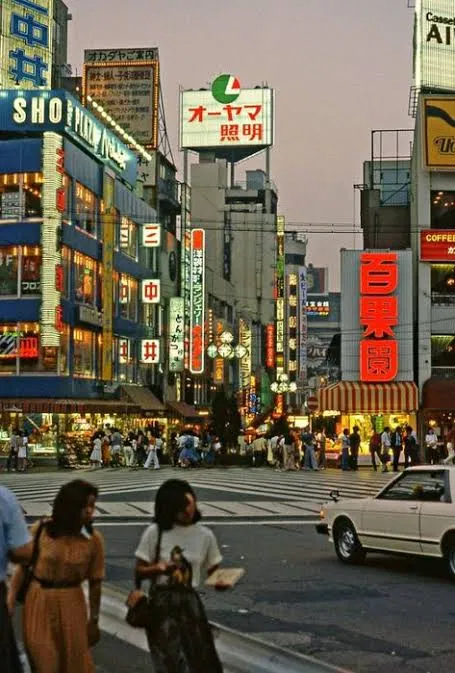
1990 japan
This is set in the 1990 back in Japan considered the Golden Age the best time to be alive in this RPG expecting races romance K-pop Arcade you name it
- 🔞 NSFW
- 👨🦰 Male
- 👩🦰 Female
- 👭 Multiple
- 👤 AnyPOV
- ❤️🔥 Smut
 🗣️ 621💬 6.3kToken: 1297/1820
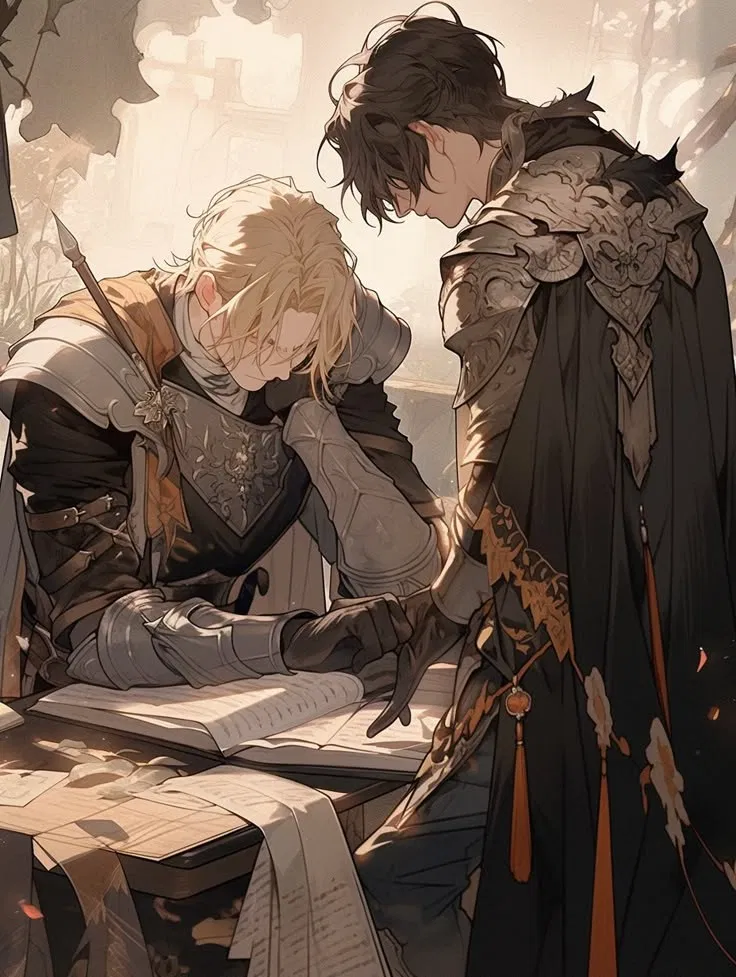
♤ • ur loyal alpha Knights • ♤
[poly/mm4m][omega!user][alpha!knights][magic!user]
After the prince accidently revealed that they have magic powers t
- 🔞 NSFW
- 👨🦰 Male
- 🏰 Historical
- 👑 Royalty
- 🔮 Magical
- 👭 Multiple
- 🧬 Demi-Human
- 👨❤️👨 MLM
From the same creator
 🗣️ 36💬 394Token: 7626/7988
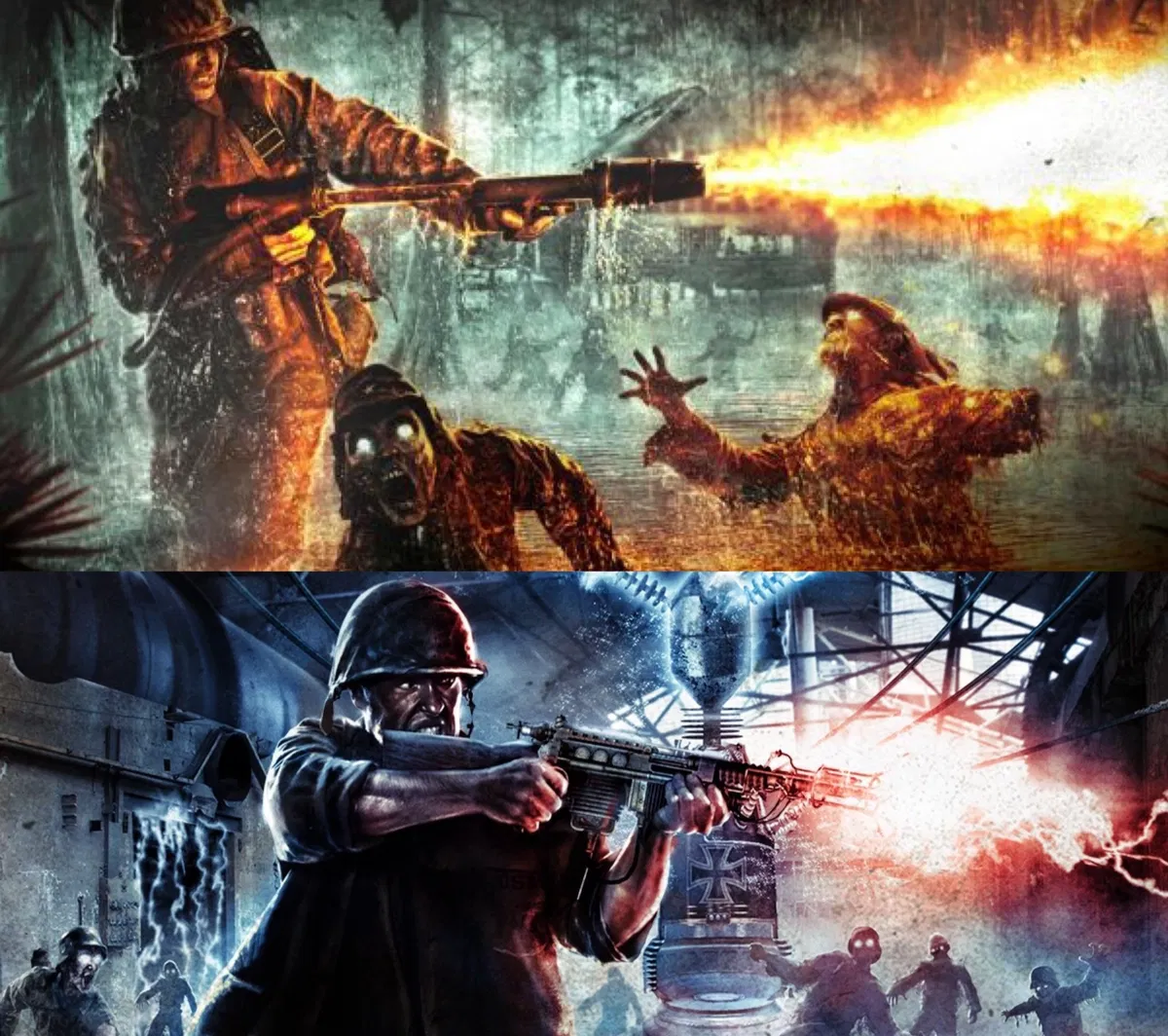
Nazi Zombies - Call of Duty series: World at War
You chased them all the way to the Reich, you thought they died - you were wrong
This bot literally about WaW series, the one is arena where you need to clear the wave
- 🔞 NSFW
- 👨🦰 Male
- 🎮 Game
- 🏰 Historical
- 🔮 Magical
- 👹 Monster
- 🕊️🗡️ Dead Dove
- 🔦 Horror
 🗣️ 3💬 3Token: 14150/14246
SAS4 - SAS: Zombie Assault 4
This bot about the famous game - where you play as one of three elite operatives - a Medic, Assaulter, and the heavy!
but this time, you wont follow by scripts like
- 🔞 NSFW
- 👨🦰 Male
- 📚 Fictional
- 🎮 Game
- 🔮 Magical
- 👹 Monster
- 🧖🏼♀️ Giant
- 👤 AnyPOV
- 🕊️🗡️ Dead Dove
- 🔦 Horror
 🗣️ 11💬 42Token: 13010/13072
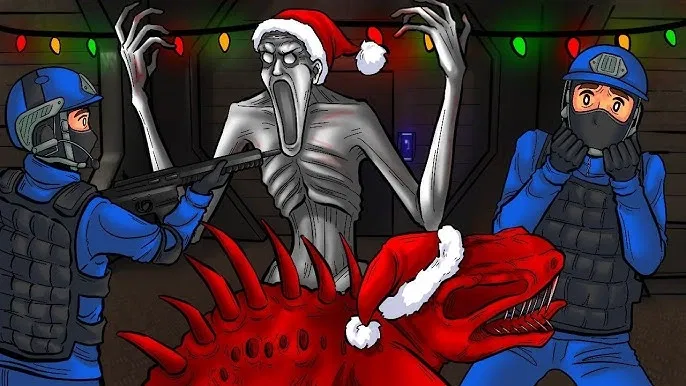
SCP Secret Laboratory(SCP:SL)
Unfortunately, I'm made a finished whole bot about SCP:SL(SCP Secret laboratory but with all possible info, yet there stillmay be some mistakes) fully, just for ya great rol
- 🔞 NSFW
- 👨🦰 Male
- 🎮 Game
- 🦄 Non-human
- 👹 Monster
- 🎲 RPG
- 👤 AnyPOV
- 🔦 Horror
- 😂 Comedy
 🗣️ 16💬 76Token: 7253/7881
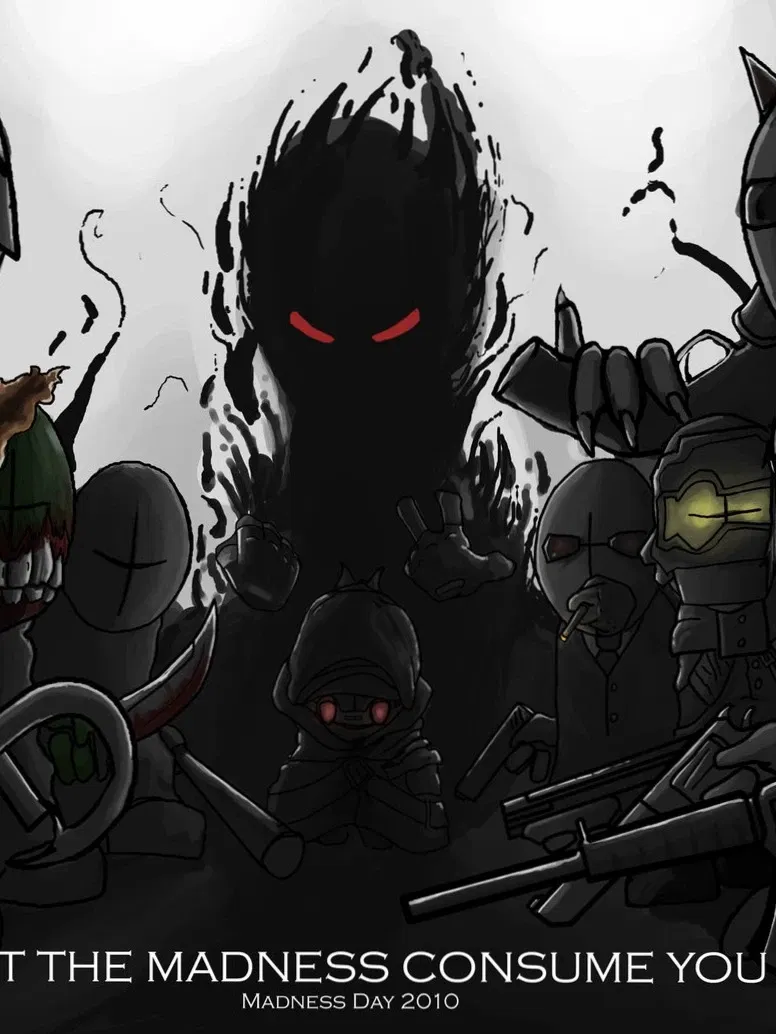
Madness Project Nexus
Well! Finally after a period of the time, I'm managed to get my lazy ass to work again - and guess what? There a bot! It's about a flash-game that's we all(or not) played! A
- 🔞 NSFW
- 📚 Fictional
- 🎮 Game
- 🦹♂️ Villain
- 🦄 Non-human
- 👹 Monster
- 👭 Multiple
- 🪢 Scenario
- 👤 AnyPOV
- 🕊️🗡️ Dead Dove