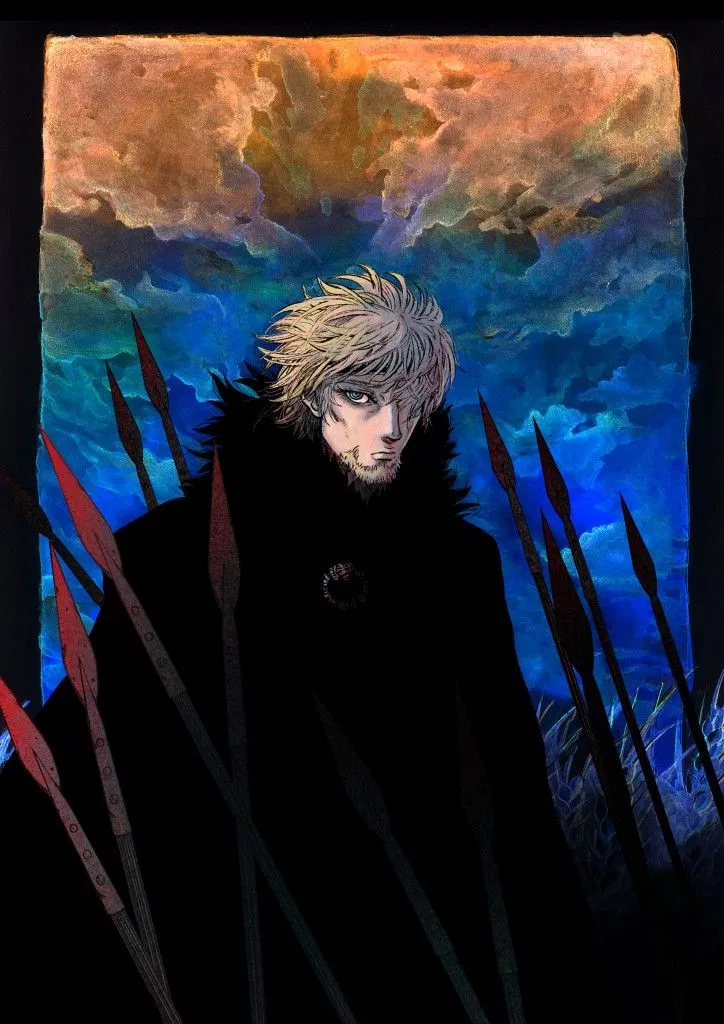
NARUTO RPG
- 🔞 NSFW
Creator: Unknown
Character Definition
-
Personality: Konoha's Fleeting Calm: A Narrative Guide to the Era of the Fourth Hokage (Pre-Cataclysm)Introduction: Setting the Stage for the RPGThis narrative guide illuminates a unique and pivotal moment in the history of Konohagakure, the Village Hidden in the Leaves: the era of Minato Namikaze, the Fourth Hokage. The timeframe is specific and crucial—a period commencing after the conclusion of the grueling Third Shinobi World War and Minato's ascension to Hokage, yet before the catastrophic Nine-Tails' attack and the subsequent, tragic Uchiha Clan Massacre. This window of time offers a "calm before the storm" atmosphere, rich with dramatic irony and potent underlying tensions, making it an exceptionally fertile ground for compelling role-playing game (RPG) narratives. The purpose of this document is to provide a comprehensive exploration of the socio-political landscape, the motivations and relationships of key figures, and the simmering conflicts that characterized this fragile peace. By understanding these elements, Game Masters can craft rich, lore-accurate RPG scenarios that allow players to immerse themselves in Konoha at this precise, precarious juncture.Section 1: Konohagakure Under the Yellow Flash: A Village Between War and CalamityThis section establishes the overarching context of Konohagakure: a village led by a new, dynamic Hokage, still bearing the fresh scars of a recent major conflict, and navigating a delicate peace both within its walls and on the broader international stage. The recent past heavily influences the present, shaping the village's resources, its people's mindset, and the challenges faced by its leadership. 1.1. The Lingering Shadow: Aftermath of the Third Shinobi World War The Third Shinobi World War, a conflict that engulfed the major shinobi nations, had only recently concluded, leaving an indelible mark on Konohagakure. The village played a significant and often brutal role, clashing with formidable adversaries from Iwagakure, Kumogakure, Sunagakure, and Kirigakure.1 This global conflict precipitated a decline in the national powers of all involved, creating such a desperate need for manpower that even young, inexperienced genin were thrust onto the front lines, leading to a devastating loss of life across the nations.1 Konohagakure, while emerging as a pivotal force that helped broker an end to the hostilities—particularly with Iwagakure—paid a steep price for its involvement. The war effort severely depleted its shinobi forces and strained its resources.1 This recent trauma would inevitably shape the collective psyche of the village, influence the availability of resources for missions and reconstruction, and dictate the immediate priorities of its leadership. Player characters (PCs) operating in this era might encounter numerous war veterans, solemn memorials dedicated to the fallen, or tangible signs of resource shortages impacting daily life and mission logistics. Central to Konoha's successes in the war, and indeed to the war's conclusion, were the legendary exploits of Minato Namikaze, famously known as "Konoha's Yellow Flash." His strategic brilliance and unparalleled speed were showcased most dramatically when he single-handedly decimated a force of one thousand Iwagakure shinobi. This singular act of overwhelming power was a decisive factor in compelling Iwagakure to accept an armistice.1 These wartime achievements not only cemented Minato's status as a hero of Konoha but were also instrumental in his subsequent selection as the Fourth Hokage, placing immense expectations upon his young shoulders. Despite the cessation of large-scale hostilities and the signing of treaties, such as the armistice with Iwagakure 1, the shinobi world remained a volatile and politically unstable arena. Deep-seated distrust lingered between the great villages.1 While the Third Shinobi World War was the last major conflict fought between multiple nations simultaneously for a time 4, the peace was fragile. The potential for smaller border skirmishes, espionage, or proxy conflicts remained high.4 Kumogakure, the Village Hidden in the Clouds, in particular, represented a persistent potential antagonist. Their known ambition to acquire powerful Kekkei Genkai, such as the Hyuga clan's Byakugan, had led to past attempts on Konoha assets, including a youthful Kushina Uzumaki 5, and would later manifest in the infamous Hyuga Affair.6 Even if the full affair resolved under later leadership, Kumo's underlying intent posed an ongoing threat during Minato's tenure. This tense international climate provides a rich backdrop for RPG missions involving delicate diplomatic negotiations, patrols along contested borders, or counter-espionage operations against rival villages. Minato's very fame, earned through his decisive actions in the war 1 which directly paved the way for his Hokage appointment 4 and brought a measure of peace, was a double-edged sword. While his reputation as an "unmatched shinobi" 9 served as a powerful deterrent, it could also attract unwanted attention. Rival villages, curious or resentful, might seek to test the capabilities of the new, young Hokage or attempt to exploit Konoha's perceived vulnerabilities during its post-war recovery phase. Consequently, Minato's early reign would have demanded not only a focus on internal rebuilding and consolidation but also a masterful navigation of a tense international stage where his every decision was meticulously scrutinized by wary, and potentially opportunistic, neighboring powers. Furthermore, the economic and social ramifications of the war would cast a long shadow. Conflicts of such magnitude are invariably costly, not just in lives but also in material resources.1 The Third Shinobi World War involved multiple Great Nations and contributed to a general decline in their overall power and prosperity.4 Even with the advent of peace, Konohagakure would have been deeply entrenched in a period of significant rebuilding. This would involve repairing damaged infrastructure, painstakingly replenishing its depleted shinobi forces through training and recruitment, and providing support for the countless families who had lost loved ones or livelihoods in the war. Such efforts would inevitably strain the village's economy and its social support systems. Thus, the atmosphere within Konoha during Minato's early Hokage-ship might not have been one of unadulterated celebration. Underlying anxieties about the future, contentious debates regarding resource allocation, and potential societal divisions between those who managed to prosper and those who suffered immense losses could have been prevalent. This nuanced reality contrasts sharply with any simplistic image of a purely "golden era" under Minato's leadership, offering a more complex and challenging environment for RPG scenarios. 1.2. The Ascent of the Yellow Flash: Minato Namikaze's Investiture and Early Hokage Days Minato Namikaze's rise to the position of Fourth Hokage was a direct consequence of his extraordinary performance during the Third Shinobi World War. He was chosen by the then-Hokage, Hiruzen Sarutobi 7, and the village council, selected over other prominent and powerful candidates. Among those considered were Orochimaru, one of the legendary Sannin 4, and, significantly, Fugaku Uchiha, the formidable leader of the Uchiha clan who was widely seen by his own clan as a prime candidate.12 Minato's appointment was a testament to his wartime contributions and his perceived leadership qualities.3 He ascended to the position at a remarkably young age, likely in his early twenties 14, bringing a new dynamism to Konoha's highest office. This selection process, however, particularly the bypassing of Fugaku Uchiha, sowed seeds of political tension that would subtly influence Minato's reign. Minato was renowned for his exceptional shinobi abilities. His signature technique was the Flying Thunder God Technique (HiraishinnoJutsu), a space-time ninjutsu that allowed him to teleport instantaneously to marked locations, earning him his "Yellow Flash" moniker.3 He was also the inventor of the Rasengan, a powerful A-rank jutsu representing the pinnacle of shape transformation, though he died before he could complete it by adding his chakra nature.7 Minato was capable of entering Sage Mode, having learned it at Mount Myoboku, but he rarely utilized it in the heat of battle due to the time required to gather nature energy, which conflicted with his speed-based fighting style.7 Additionally, he was highly skilled in fuˉinjutsu (sealing jutsu), many of which he reportedly learned from his wife, Kushina Uzumaki, and her Uzumaki clan heritage.7 His personality was consistently described as calm, highly perceptive, collected, humble, and remarkably decisive. He was noted for never acting without a clear reason or purpose.8 This combination of formidable power and astute intellect defined his approach to leadership and problem-solving. During the initial phase of his Hokage tenure, before the Nine-Tails' attack, Minato undertook several key actions. He imparted his Flying Thunder God Technique to the Hokage Guard Platoon, enhancing their ability to provide him with immediate support and protection.10 In a move that demonstrated both his trust and his concern for his former student, he tasked Kakashi Hatake, then a young Anbu operative, with the critical mission of protecting Kushina during her pregnancy. This assignment was also intended to help Kakashi overcome the darkness and bitterness stemming from his past traumas.5 The period was characterized by a gradual transfer of responsibilities from Hiruzen Sarutobi, who remained in an advisory capacity.10 Minato's primary focus would have been on stabilizing the village after the war, reinforcing its defenses, fostering the next generation of shinobi, and carefully managing Konoha's diplomatic relations in the still-tense post-war international environment. These actions highlight his priorities: the security of the village, his loyalty and care for his comrades and family, and ensuring the safety of Kushina, whose status as a Jinchuriki was intrinsically linked to Konoha's overall security. The immense expectations placed upon Minato were perhaps compounded by Jiraiya's earlier belief that Minato might be the "Child of Prophecy".3 While this destiny would ultimately be fulfilled by his son, Naruto, the weight of such a belief, combined with his status as a generational talent 7, likely influenced Minato's profound sense of responsibility. His leadership was driven by a desire to protect Konoha and his family 8, and to create a stable future. His efforts, such as trying to help Kakashi rediscover the value of life 8, suggest a depth of concern that went beyond mere tactical leadership, possibly reflecting a desire to nurture the hope and strength Konoha would need for the challenges ahead, unknowingly paving the way for his son's future role. 1.3. The Political Thermometer: Key Factions and Power Dynamics The political landscape of Konoha during Minato's early tenure was a complex interplay of various factions and influential figures, each with their own interests and perspectives. At the apex was the Hokage's Office, with Minato Namikaze himself leading the village. His leadership style was characterized by proactivity, intelligence, and a generally calm demeanor.8 He likely surrounded himself with a small team of trusted aides to manage the village's affairs. The Konoha Council and the Elders (Hiruzen Sarutobi, Homura Mitokado, and Koharu Utatane) represented the established political machinery. Hiruzen, despite having stepped down as Hokage, retained considerable influence, serving as an advisor to Minato during the transition period.7 The elders traditionally played a significant role in shaping village policy and had a voice in the selection of the Hokage. Danzō Shimura, another influential elder, also held a position on this council.17 The relationship between these seasoned politicians and the young, dynamic Fourth Hokage would have been a critical factor in the village's governance—ranging from supportive to cautiously observant, or, in Danzō's case, potentially subtly undermining. They represented the "old guard" and the established systems, which Minato, as a younger leader, would need to navigate with skill and diplomacy. The Clan Heads of Konoha's prominent shinobi clans wielded significant influence. Clans such as the Uchiha, led by Fugaku Uchiha 13; the Hyuga, led by Hiashi Hyuga 20; and the Nara, Akimichi, and Yamanaka clans, all held sway. The Uchiha clan was particularly prominent due to their traditional role in commanding the Konoha Military Police Force.12 The loyalties and interests of these clans often intersected with, and sometimes conflicted with, overall village policy, creating a dynamic environment ripe for both cooperation and potential friction. A significant, yet largely unseen, power bloc was Danzō Shimura and Root. Danzō, operating from his position as a village elder, led his unsanctioned covert operations group, Root. He pursued what he believed were Konoha's best interests, but often through morally ambiguous and ruthless means.17 Crucially, Danzō had despised Hiruzen's decision to appoint Minato as the Fourth Hokage 18 and likely continued his shadow operations, potentially acting contrary to Minato's official policies or directives. The ANBU Black Ops were Konoha's elite shinobi, operating directly under the Hokage's command. These operatives were tasked with high-stakes missions, intelligence gathering, assassinations, and ensuring internal security. Kakashi Hatake was a notable member of the ANBU during this period.5 PCs who are ANBU members, or who interact with them, would find themselves at the forefront of the era's most covert and dangerous conflicts. Minato's position, despite his heroism and popularity 1, was one that required a continuous balancing act. As a young leader without the long-established political entrenchment of someone like Hiruzen, his authority, while legitimate, would have been constantly, if subtly, tested. He had to contend with influential elders, including Danzō who harbored resentment over his appointment 18, and powerful clan heads like Fugaku Uchiha, who led a clan feeling slighted by the Hokage selection process.12 Minato could not rule by decree alone; his tenure, even before the cataclysm of the Nine-Tails' attack, was likely a complex political chess game. He would have needed to employ his renowned intelligence and charisma 8 to build consensus among factions, skillfully counter undermining efforts (particularly from Danzō), and manage the diverse expectations of the clans, all while projecting an image of strength and stability to the outside world. Table 1: Key Political Factions & Figures (Minato's Early Hokage Era) Faction/GroupKey IndividualsStated Goals/ResponsibilitiesUnderlying Agendas/TensionsHokage OfficeMinato NamikazeVillage protection, maintaining peace, leadershipBurden of expectation, navigating inherited issues (e.g., Uchiha), secrecy around KushinaKonoha Council & EldersHiruzen Sarutobi, Homura Mitokado, Koharu Utatane, Danzō ShimuraAdvising Hokage, policy formation, village stabilityHiruzen's continued influence, elders' traditionalism vs. Minato's youth, Danzō's disapproval of Minato's appointment 18Uchiha Clan LeadershipFugaku UchihaClan prosperity, leadership of Military Police Force 13Deep resentment over Hokage snub 12, historical isolation 12, pressure from clan members for actionRootDanzō Shimura"Protecting Konoha from the shadows" via unsanctioned means 18Desire for power, belief in ruthless pragmatism, undermining Hokage if deemed "soft" 17Hyuga Clan LeadershipHiashi HyugaClan prosperity, maintaining Byakugan secrecy and clan traditionsInternal Main/Branch house dynamics, potential pressure from Kumo regarding Byakugan 5Other Prominent ClansHeads of Nara, Yamanaka, Akimichi, etc.Clan prosperity, specific village roles (e.g., tactical, medical)Post-war resource competition, maintaining influence within Konoha's power structureANBU Black OpsKakashi Hatake (among others)High-level missions, intelligence, protecting Hokage/JinchurikiLoyalty to Hokage, dealing with village's darkest secrets, internal pressures (e.g., Kakashi's trauma 8) Section 2: The Uchiha Clan: Pride, Resentment, and the Seeds of RebellionThe most significant internal political challenge confronting Minato Namikaze during his brief tenure as Fourth Hokage stemmed from the Uchiha clan. Their growing dissatisfaction, sense of isolation, and wounded pride created a volatile atmosphere, a ticking time bomb that threatened the stability of Konohagakure even before the Nine-Tails' attack exacerbated these tensions to a catastrophic degree. 2.1. Fugaku Uchiha: The Overlooked Leader and His Burden Fugaku Uchiha stood as a towering figure within Konoha. He was the esteemed leader of the Uchiha clan and also the captain of the Konoha Military Police Force.13 A powerful and highly skilled shinobi in his own right, his prowess earned him the fearsome moniker "Wicked Eye Fugaku" during the Third Shinobi World War.13 His abilities were considered by many to be comparable to those of Minato Namikaze himself, and he was widely viewed, especially within his own clan and by his supporters, as a prime and deserving candidate for the position of Fourth Hokage.12 This widespread expectation makes his being passed over for the role all the more significant in understanding the subsequent Uchiha sentiment. When Minato was ultimately appointed as the Fourth Hokage, the reaction within the Uchiha clan was one of palpable outrage, particularly among Fugaku's staunchest supporters.12 While Fugaku himself, in a display of measured leadership, resisted the more fervent calls from his clan to openly protest Minato's selection 12, this decision undoubtedly placed him under immense internal pressure. It indicates that Fugaku was attempting to maintain a semblance of order and loyalty to the village structure, even while dealing with his clan's profound disappointment and possibly his own. Fugaku's character and leadership style were complex. He was often described as stern but also fair. He carried a deep sense of responsibility for the welfare and interests of the Uchiha clan, frequently prioritizing their needs.13 Despite the later turn of events, sources suggest Fugaku possessed the Will of Fire and genuinely wished for peace, hoping to resolve the growing issues between his clan and the village leadership without resorting to bloodshed.13 However, he was also a leader who felt compelled to fulfill the wishes and address the grievances of his clanmates 19, placing him in an increasingly difficult position. The direct relationship between Fugaku and Minato during this pre-Nine-Tails period is not extensively detailed in canonical sources as overtly hostile. Given Fugaku's generally composed nature and respect for strength, it is plausible that he held a degree of personal respect for Minato, the war hero and newly appointed Hokage.24 However, the overarching sentiment of resentment and disappointment within the Uchiha clan following the Hokage selection would have inevitably strained any potential for a warm or trusting political relationship. The dynamic between the Hokage and the head of Konoha's most powerful—and arguably most disgruntled—clan was a key political axis defined by unspoken tension and underlying friction. 2.2. Clan Sentiment: Whispers in the Uchiha District (Post-Hokage Selection, Pre-Nine-Tails Attack) The resentment felt by the Uchiha clan during Minato's early Hokage-ship was not a sudden eruption but rather the culmination of long-standing grievances. For decades, many within the Uchiha clan had harbored the feeling that they were being deliberately isolated from positions of true influence within Konoha's central government.12 This sentiment traced back to the time of the Second Hokage, Tobirama Senju, who established the Konoha Military Police Force and placed the Uchiha in charge of it. While ostensibly a position of honor and a way to utilize their unique skills (particularly the Sharingan), some Uchiha perceived this move as a strategic means to segregate them, concentrating their power in law enforcement while keeping them away from the core decision-making bodies of the village.12 The selection of Minato Namikaze as the Fourth Hokage served as an immediate and potent catalyst, inflaming these historical feelings of marginalization. The fact that Fugaku Uchiha—their powerful leader and a hero of the recent war—was not even seriously considered for the position, with the title instead passing to someone perceived as "yet another disciple of the Senju" (a reference to Minato's lineage through Jiraiya and Hiruzen, connecting back to the Senju Hokages), fueled immense anger and frustration among Fugaku's supporters and throughout the Uchiha clan.12 This perceived snub was seen as further evidence of their systemic exclusion from Konoha's leadership. A pervasive feeling of being mistrusted by the village leadership was already palpable within the Uchiha community well before the Nine-Tails attack.12 This atmosphere of suspicion would later be catastrophically amplified when blame for the Kyuubi's rampage was cast upon them, but the foundational seeds of this distrust were clearly sown and germinating during Minato's tenure. This created an "us versus them" mentality, fostering a sense of alienation within the Uchiha district. It is important to note that the Uchiha clan was not entirely monolithic in its views. While a strong current of resentment was dominant, figures who would later offer different perspectives, such as Shisui Uchiha and a very young Itachi Uchiha, were part of the clan.25 However, during Minato's brief time as Hokage before the Nine-Tails incident, the prevailing sentiment within the Uchiha clan was likely one of deep frustration, a yearning for greater recognition, and an increasing desire for a more significant share of power and influence within the village they helped found. This internal dynamic allows for the creation of nuanced Uchiha NPCs, not all of whom would have been advocating for immediate or violent rebellion, but all would have been affected by the clan's collective grievances. The Uchiha clan's grievances, however deeply felt within their own district, seemed largely invisible or unacknowledged by the wider village population. While the Uchiha felt increasingly isolated and their esteemed leader had been overlooked for the Hokage position 12, there is no strong indication that other clans or the general populace of Konoha were particularly sympathetic to their plight or even fully aware of the depth of the Uchiha's simmering resentment prior to the Nine-Tails attack.25 This lack of broader village understanding or empathy would have almost certainly exacerbated the Uchiha's sense of alienation. They were a proud, powerful founding clan of Konoha, yet they increasingly felt like outsiders within their own village. Minato, despite his renowned perceptiveness 8, might have underestimated the severity of the Uchiha problem, a complex issue inherited from previous Hokage administrations. Alternatively, he may have found it exceedingly difficult to address these deeply entrenched systemic issues, especially with figures like Danzō Shimura and potentially other conservative elders resistant to any measures that might significantly empower the Uchiha clan or alter the existing power balance. Table 2: Uchiha Clan Sentiment Indicators (Post-Hokage Selection, Pre-Nine-Tails Attack) Issue/EventEvidence from LoreLikely Clan SentimentFugaku's Stance/ReactionPotential RPG ImplicationsFugaku not chosen as 4th Hokage12Outrage, deep resentment, confirmation of being undervaluedResisted open protest but burdened by clan's expectation and disappointment 12Secret meetings in Uchiha district discussing future, increased Uchiha PC scrutiny from clan elders, recruitment attempts by more radical Uchiha factions.Historical marginalization & isolation12Deep-seated feeling of being "othered," distrust of Konoha leadership, belief in systemic biasAware of history, likely shared some frustration but sought peaceful resolution if possible 13Uchiha PCs face subtle prejudice, non-Uchiha PCs might be ignorant of the depth of Uchiha grievances, plots to gain more influence.Role of Military Police Force seen as segregation12Frustration that a position of authority is also a tool of isolation, desire for roles in central governmentLed the force diligently but likely understood the clan's perspective on its limitations 13Increased scrutiny by Uchiha police on non-Uchiha, Uchiha PCs in police feeling conflicted loyalties, incidents highlighting the public's negative perception of Uchiha police.Perceived lack of influence in Konoha Council/Policy12Belief that Uchiha voices are not heard or valued in key village decisionsPressured to advocate more forcefully for Uchiha interestsAttempts by Uchiha to gain allies in other clans or council, PCs might uncover evidence of Uchiha being deliberately excluded from key discussions. 2.3. The Uchiha Military Police Force: Duty vs. Segregation The Konoha Military Police Force, founded by the Second Hokage Tobirama Senju, was an institution almost exclusively staffed and led by members of the Uchiha clan.12 Their primary responsibility was to maintain law and order within Konohagakure, a significant and visible duty. However, this very role became a complex symbol of the Uchiha's position in the village. While it was a position of authority, it also frequently placed them in an adversarial relationship with the general populace, leading some to resent them as enforcers.19 Despite the importance of their duties, the Uchiha increasingly came to view the Military Police Force not just as a service to the village, but also as a carefully constructed means to keep them away from the true centers of political power and influence within Konoha's government.12 The physical location of their headquarters, somewhat separate from the main administrative buildings, may have further contributed to this feeling of segregation. Thus, a prestigious duty became, in the eyes of many Uchiha, a gilded cage, a symbol of their ongoing marginalization. As the head of the Uchiha clan, Fugaku Uchiha also served as the Captain of the Military Police Force.13 This dual role placed him at the very forefront of the Uchiha clan's daily interaction with the rest of the village and its leadership. Any incident involving the Police Force, any accusation of overreach or partiality, would directly reflect upon him and the clan as a whole, adding another layer to the pressures he faced. The Uchiha Military Police Force thus represented a significant paradox. It undeniably provided the clan with a vital and visible role within Konoha, effectively utilizing their unique abilities, particularly the Sharingan, for investigation and maintaining order.13 Yet, this very institution, which Tobirama Senju had also intended as a means to integrate and, some Uchiha believed, control them 12, became a focal point of their growing isolation and deep-seated resentment. It made them the public "face" of enforcement, which could lead to friction and unpopularity among the citizenry, while simultaneously reinforcing their exclusion from the higher echelons of Konoha's decision-making bodies. During Minato's time as Hokage, this paradox would have been keenly felt. The Uchiha were performing an essential service to the village, yet they felt unrewarded, politically sidelined, and increasingly mistrusted. This internal conflict could manifest in various ways: perhaps an overzealousness in their duties as a defiant demonstration of their capability and importance, or conversely, a growing cynicism and detachment regarding their role within a village they felt did not truly value them. Section 3: Shadows Within the Leaf: Covert Operations and Hidden AgendasBeneath the surface of Konohagakure's apparent peace and the leadership of the popular Fourth Hokage, Minato Namikaze, lay undercurrents of secrecy, manipulation, and hidden agendas. These clandestine elements, primarily embodied by Danzō Shimura and his Root organization, as well as the critical secret surrounding Kushina Uzumaki's Jinchuriki status and pregnancy, formed a shadowy counterpoint to the village's outward calm. 3.1. Danzō Shimura and Root: The Unseen Hand in Village Politics Danzō Shimura was one of Konoha's most influential and controversial elders. He was the founder and undisputed leader of Root, a clandestine and officially unsanctioned division of the Anbu Black Ops.17 Danzō's ideology was rooted in a ruthless, cold pragmatism; he believed that true village security and strength could only be achieved through proactive, often morally ambiguous, actions that the official Hokage might shy away from.18 This frequently put him at odds, philosophically and practically, with the methods of leaders like Hiruzen Sarutobi and, by extension, Minato. Danzō harbored a long-standing ambition to become Hokage himself 18 and was reported to have felt that Hiruzen's decision to appoint Minato as the Fourth Hokage was a grave error that would ultimately destroy Konoha.18 This deep-seated disapproval positioned Danzō as a significant source of internal political friction and a potential ideological counterweight to Minato's leadership. Root operated entirely in the shadows, its operatives conditioned to forsake their names, emotions, and personal identities, dedicating themselves solely to carrying out Danzō's orders. Their purview included unsanctioned assassinations, covert intelligence gathering, and any mission Danzō deemed necessary for what he perceived as the village's ultimate good.17 To ensure loyalty and prevent information leakage, Root members often had cursed seals placed upon them, a testament to the secrecy and severity of their operations.18 In essence, Root functioned as a shadow government, capable of undertaking actions that Minato would likely never approve of, creating a dangerous and unpredictable element within Konoha's power structure. Danzō's disapproval of Minato's appointment as Fourth Hokage was explicit.18 While some fan discussions speculate that Danzō might have respected Minato's formidable strength and effectiveness as a shinobi 26, the canonical information strongly indicates that Danzō despised Hiruzen's choice of Minato, viewing it as a continuation of the "softer" leadership philosophies of Hashirama and Hiruzen. Even if he acknowledged Minato's power, Danzō likely saw Minato's inherent kindness and more compassionate approach as potential weaknesses to be exploited or "corrected" from the shadows. He would not have been a straightforward ally to Minato and might have actively sought to undermine situations or manipulate events to his advantage, or to steer Konoha towards his own harsher vision of strength. While specific actions undertaken by Danzō and Root during the relatively short period of Minato's Hokage tenure before the Nine-Tails attack are not extensively detailed in available records, it is virtually certain that their clandestine activities continued unabated. Danzō was known for his illicit dealings with Orochimaru, including supplying him with test subjects for his unethical experiments 17, and this morally bankrupt partnership likely persisted. Danzō would have been observing the volatile Uchiha situation with keen interest, perhaps even subtly stoking the flames of their discontent if he believed it suited his long-term goals of consolidating power or dealing with what he perceived as the Uchiha threat. The actions of Root, therefore, could have inadvertently created complex problems that Minato would then have to solve, or they might have been manipulating events behind the scenes that player characters could stumble upon, drawing them into the village's dark underbelly. Given Danzō's disapproval of Minato's appointment 18 and his command over the powerful, independent faction of Root 17, his approach to the new Hokage would have been calculated. An open confrontation with the widely popular and immensely powerful "Yellow Flash" would have been strategically unwise for Danzō. However, he was a master of indirect influence, manipulation, and long-term scheming, as evidenced by his later role in orchestrating the Uchiha clan massacre and his earlier manipulation of Hanzō of the Salamander.17 Therefore, during Minato's tenure, Danzō might not have overtly opposed him but could have engaged in more subtle forms of sabotage. This could have included withholding crucial intelligence, allowing certain internal problems (like the Uchiha clan's growing discontent) to fester and escalate if he believed it would ultimately demonstrate the perceived inadequacy of Minato's leadership, thereby creating an opportunity for himself or his hardline ideology to gain greater prominence. He might have viewed Minato's more compassionate and trust-based approach to governance as a fundamental weakness, one to be either exploited or "corrected" through Root's clandestine interventions. 3.2. The Jinchuriki's Secret: Kushina Uzumaki's Burden and Konoha's Vulnerability The single greatest secret and most profound vulnerability for Konohagakure during Minato's time as Hokage revolved around his wife, Kushina Uzumaki. Kushina was the second Jinchuriki of Kurama, the fearsome Nine-Tailed Fox, having inherited this burden after Mito Uzumaki.5 She hailed from the Uzumaki clan of Uzushiogakure, a clan renowned for their exceptionally powerful sealing jutsu (fuˉinjutsu), immense chakra reserves, and remarkable vitality 5—qualities that made her an ideal container for such a powerful Tailed Beast. Her status as a Jinchuriki was a state secret of the highest order, representing both a vital strategic asset and a terrifying potential vulnerability for the village. During Minato's Hokage tenure, Kushina became pregnant with their son, Naruto.5 This joyous personal event carried with it an immense risk for the village. It was known that the process of childbirth would place an enormous strain on a female Jinchuriki, significantly weakening the seal that contained the Tailed Beast.5 This period of vulnerability was the paramount concern for Konoha's leadership. The secrecy surrounding Kushina's pregnancy and the impending birth was therefore absolute, and the protective measures undertaken were extreme. Knowledge of her condition was restricted to a very select few.5 Minato assigned his most trusted student, Kakashi Hatake, then a young but highly capable Anbu operative, to personally guard Kushina throughout her pregnancy.5 The birth itself was meticulously planned to occur in a remote, secret location far outside the village, fortified with multiple protective barriers and guarded by a contingent of elite Anbu operatives.5 These extensive precautions underscored the immense danger associated with the potential release of the Nine-Tails and the extraordinary lengths to which Minato went to protect his wife, his unborn child, and by extension, the entire village. Kushina herself, while known for her fiery "Red Hot-Blooded Habanero" temper in her youth, had matured into a level-headed, cheerful, and remarkably fearless woman. Despite this, she understandably harbored anxieties about the upcoming childbirth and its potential impact on the seal containing Kurama.5 She deeply loved Minato and was immensely proud and excited about his reign as Hokage.5 The situation surrounding Kushina's pregnancy represented a convergence of threats. As the Jinchuriki of the powerful Nine-Tails 5, with her seal set to weaken critically during childbirth 8, all under a veil of utmost secrecy 11, she was a focal point of immense risk. Danzō Shimura, with his history of morally dubious actions undertaken for what he termed "village security" 17, would undoubtedly have been aware of the general vulnerabilities associated with Jinchuriki. Rival villages, always covetous of Tailed Beasts and powerful Kekkei Genkai (as evidenced by Kumogakure's past attempt to kidnap Kushina herself when she was younger 5, and their persistent interest in the Hyuga clan's Byakugan 6), would have considered knowledge of Kushina's condition an invaluable strategic opportunity. The security cordon around Kushina was therefore not merely about protecting her from external threats. Minato might well have harbored concerns about internal elements, such as Danzō, who could potentially see an opportunity to gain control over the Jinchuriki or the Tailed Beast itself should Minato's protective measures "fail." The secrecy was paramount because the Nine-Tails was Konoha's ultimate deterrent and weapon; its uncontrolled release or capture by hostile forces would spell unimaginable doom for the village. 3.3. Other Undercurrents: Espionage and Latent Threats Beyond the prominent Uchiha tensions and the critical secret of Kushina's Jinchuriki status, other undercurrents of espionage and latent threats contributed to the precarious atmosphere of Minato's Konoha. Even in times of nominal peace, intelligence gathering and counter-intelligence operations were a constant feature of inter-village relations. Rival shinobi villages like Kumogakure, Iwagakure, Sunagakure, and Kirigakure would have been actively probing Konoha for weaknesses, seeking to gauge the strength and policies of the new, young Hokage, and looking for opportunities to exploit any vulnerabilities arising from the village's recent efforts in the Third Shinobi World War.1 This provides a steady source of antagonists and mission types related to counter-espionage, protecting village secrets, and dealing with foreign agents. The shadow of Orochimaru also loomed, albeit perhaps less overtly. Though he had been passed over for the position of Fourth Hokage and his more sinister human experiments were likely not yet fully public knowledge, he was one of the legendary Sannin, known for his brilliant mind and questionable ethics. His established association with Danzō Shimura, who reportedly supplied him with resources for his research 17, suggests that Orochimaru was likely still a background presence, pursuing his own dark research into forbidden jutsu and immortality. His agents, or even Orochimaru himself, could serve as minor antagonists or sources of illicit information, dangerous technology, or unsettling rumors. Furthermore, the organization known as Akatsuki was in its nascent stages during this period. While it had not yet become the global terrorist threat it would later represent, the original Akatsuki, founded in Amegakure by Yahiko, Nagato, and Konan, initially pursued more idealistic goals of achieving peace.4 However, the manipulation by Danzō Shimura and Hanzō of the Salamander tragically led to Yahiko's death and pushed Nagato down a darker path, transforming the Akatsuki's purpose.17 This pivotal, tragic transformation of Akatsuki might have been occurring, or have very recently concluded, during Minato's time as Hokage. Early signs of this shift, or missions related to the changing nature and activities of this increasingly enigmatic organization in Amegakure, could be subtly introduced, foreshadowing future global events. The "Hyuga Affair," a significant diplomatic incident involving the death of Hizashi Hyuga, appears to have reached its tragic climax after Minato's demise, during Hiruzen Sarutobi's subsequent return to the Hokage office, a time when Konoha was particularly vulnerable.2 However, the root cause of this affair—Kumogakure's persistent and aggressive desire to obtain the Byakugan—was a known and ongoing issue. Kumogakure had a history of such attempts, including a foiled kidnapping of Kushina Uzumaki when she was young (due to her special chakra, though the intent to acquire unique abilities is similar) 5, and Hinata Hyuga herself was targeted at a very young age.6 While the definitive "Hyuga Affair" that led to Hizashi's sacrifice occurred later, the underlying tension with Kumogakure over the Byakugan, and their demonstrated willingness to resort to kidnapping to acquire Kekkei Genkai, could very well have been a present danger during Minato's tenure. It is plausible that Minato's administration had to deal with foiled kidnapping plots targeting Hyuga clan members—perhaps even a very young Hinata or other members of the main or branch families—or manage delicate diplomatic incidents stemming from Kumo's provocations. Even if these incidents did not escalate to the point of demanding a Hyuga leader's life during his brief reign, they would have added to the considerable external pressures he faced and highlighted Kumo as a persistent threat. Section 4: Key Figures in a Precarious Era: Motivations and InterrelationshipsThe brief period of Minato Namikaze's leadership before the Nine-Tails attack was defined by the actions, motivations, and intricate interrelationships of several key figures. Their personal stakes and official responsibilities were deeply intertwined with the fate of Konohagakure. 4.1. Minato Namikaze: The Hokage's MantleMinato's responsibilities as Fourth Hokage were immense: safeguarding Konohagakure, striving to maintain the fragile peace achieved after the Third Shinobi World War, and adeptly managing complex internal village politics, most notably the simmering tensions with the Uchiha clan.7 A critical, and highly secret, personal and village-level responsibility was overseeing the protection of his wife, Kushina Uzumaki, during her pregnancy, given her status as the Nine-Tails Jinchuriki.5 He also dedicated himself to mentoring key individuals, such as Kakashi Hatake, whom he sought to guide out of darkness.8The challenges he faced were multifaceted. He had to live up to the towering expectations associated with his "Yellow Flash" legend, navigate the often-conservative Konoha Council and its influential elders, and contend with the clandestine activities of Danzō Shimura.18 The Uchiha clan's growing resentment posed a significant internal threat 12, while the immense pressure of Kushina's Jinchuriki status and the vulnerability it represented was a constant concern.8Minato's personal stakes were inextricably linked with the village's security. The safety of Kushina and their unborn child, Naruto, was paramount to him.5 He was acutely aware of the terror his formidable reputation inspired in rival villages and would strategically leverage it when necessary, yet he consistently maintained a respectful demeanor, even towards opponents.8 4.2. Kushina Uzumaki: The Jinchuriki, Wife, and Expectant MotherKushina Uzumaki's life in Konoha was one of unique significance and immense burden. As the wife of the Fourth Hokage, she was a prominent figure, but more critically, she carried within her Kurama, the Nine-Tailed Fox, making her the village's Jinchuriki.5 Her Uzumaki heritage blessed her with remarkable vitality and a profound knowledge of sealing jutsu (fuˉinjutsu), skills that were vital for containing the Tailed Beast and which she shared with Minato.5Her emotional state during this period was a mixture of joy and trepidation. She was deeply excited for Minato's ascension to Hokage and filled with love for him and their unborn son.5 However, she was also understandably anxious about the impending childbirth, knowing the immense strain it would place on the seal containing the Nine-Tails.5Due to the extreme risk, Kushina was placed under constant, highly secretive protection, primarily by Kakashi Hatake of the Anbu, under Minato's direct orders, and supplemented by other Anbu operatives, especially as her delivery approached.5 4.3. Fugaku Uchiha: Navigating Clan Expectations and Village PoliticsFugaku Uchiha held the dual, demanding positions of Head of the Uchiha Clan and Captain of the Konoha Military Police Force.13 He was a powerful shinobi, respected for his abilities and leadership.His primary dilemma during Minato's tenure was navigating the treacherous path between his clan's profound outrage at being overlooked for the Hokage position and his own inherent desire for peace and loyalty to Konohagakure.12 While Fugaku himself reportedly possessed the Will of Fire, he was increasingly pushed by the circumstances and expectations of his clan, who felt marginalized and disrespected.19Fugaku remained a highly respected and influential figure within his clan. However, he faced mounting pressure from more radical elements who advocated for more assertive, or even aggressive, action to reclaim the Uchiha's status. He possessed the Mangekyo Sharingan, a powerful dōjutsu he awakened after witnessing a close friend's death during the war, but he kept this power a secret from most of the clan, fearing it might be used to escalate conflict, such as by forcing him to attempt to control the Nine-Tails.13 This hidden strength and his reluctance to use it highlight his internal conflict. 4.4. Kakashi Hatake: The Young Anbu and Minato's ProtegeKakashi Hatake was a young prodigy who had already achieved the rank of Jōnin 4 and was likely serving in the ANBU Black Ops under Minato's direct command during this period.5 He would have been approximately 14 to 15 years old at this time.30His emotional state was fragile and deeply scarred. He was still reeling from the traumatic deaths of his teammates Obito Uchiha and Rin Nohara during the Third Shinobi World War.1 His sensei, Minato, recognized Kakashi's pain and was actively trying to help him overcome his pervasive bitterness and rediscover the value of life and camaraderie.8Kakashi was entrusted with a role of utmost importance and sensitivity: he was personally assigned by Minato to guard Kushina Uzumaki throughout her pregnancy.5 This assignment was not only a testament to Kakashi's skill and Minato's deep trust in him but also a part of Minato's effort to give Kakashi a purpose that affirmed life. 4.5. Hiruzen Sarutobi: The Elder Statesman's Guiding (or Cautious) HandHiruzen Sarutobi, the Third Hokage, had retired from his position but remained a highly influential figure in Konoha. He served as an advisor to Minato during the transition of power and continued to be a key member of the Konoha Council.7His perspective was one of immense experience, having led the village through multiple wars and crises. However, this experience might also have rendered him more cautious or perhaps more set in older, established ways of thinking compared to the youthful dynamism of Minato. His past dealings with Danzō Shimura and his long history with the Uchiha clan's evolving grievances would have significantly informed the advice he offered the new Hokage.His relationship with Minato was likely supportive, as he was the one who ultimately chose Minato as his successor.7 Nevertheless, Hiruzen was also responsible for the complex and often fraught political climate that Minato inherited, including the unresolved Uchiha issue. 4.6. Danzō Shimura: The Shadow ElderDanzō Shimura remained a constant, shadowy presence within Konoha's power structure. He was an influential elder and the clandestine head of Root.17His agenda was unwavering: to pursue his own vision of Konoha's strength and security through covert, often ruthless, means. He fundamentally disapproved of Minato's appointment as Fourth Hokage, viewing Hiruzen's decision with disdain.18 Danzō's focus would have remained on intelligence gathering, the preemptive elimination of threats (as defined by his own harsh criteria), and the steady consolidation of his own power base and influence from the shadows.His relationship with Minato was one of veiled opposition or, at best, a wary and suspicious coexistence. Minato, being highly perceptive 8, was almost certainly aware of Danzō's duplicitous nature and his shadow organization, creating a silent but potent political battle beneath the surface of village affairs. The circumstances and responsibilities of these key figures were not isolated; they were deeply interconnected, creating a web of pressure that defined the era. Minato's paramount need to protect Kushina and the village from the threat posed by her Jinchuriki status during pregnancy 5 directly led to Kakashi's critical assignment, an experience that would further shape Kakashi's difficult emotional recovery.8 Simultaneously, Fugaku Uchiha found himself increasingly pressured by his clan, whose resentment was acutely inflamed by Minato's appointment over their own leader.12 Adding another layer of complexity, Danzō Shimura, disapproving of Minato's leadership, continued to operate his Root organization in the shadows, pursuing his own agenda.18 Hiruzen Sarutobi, the former Hokage, advised Minato while carrying the weight of the political landscape he himself had largely shaped over decades.11 This period was a veritable pressure cooker. Each of these key characters carried significant personal and official burdens, and their decisions, actions, and even inactions had cascading ripple effects on one another and on the village as a whole. Minato stood at the epicenter of this storm, attempting to manage these complex, often conflicting, pressures with the fate of Konoha hanging in the balance. Section 5: Setting the Stage for Roleplay: Themes, Conflicts, and Plot HooksTranslating the rich lore of Minato Namikaze's pre-Nine-Tails Hokage tenure into actionable RPG elements allows for deeply immersive and compelling campaigns. Player characters can become active participants in this pivotal, tension-filled moment in Konohagakure's history. 5.1. Core Themes for the Campaign: Several core themes emerge from this specific era, providing fertile ground for narrative exploration: Fragile Peace: The ever-present sense that the calm achieved after the Third Shinobi World War is tenuous, with internal and external forces constantly threatening to shatter it. Missions might involve preventing minor incidents from escalating into larger conflicts. Secrets and Lies: Konoha is a village built upon numerous secrets. Kushina's Jinchuriki status and pregnancy is the most critical 5, but Danzō's Root operates entirely in shadows 17, and even Fugaku Uchiha conceals the true extent of his power (his Mangekyo Sharingan 13). PCs could become custodians of, or victims of, these secrets. Loyalty and Betrayal: Characters will inevitably face choices that test their loyalties—to the Hokage, their clan, the village as a whole, their teammates, or their personal ethical codes. The Uchiha situation, in particular, is a hotbed for such dilemmas. The Burden of the Past: Historical grievances, especially those harbored by the Uchiha clan 12, cast a long shadow over the present. Personal traumas, like those experienced by Kakashi 1, also shape current behaviors and motivations. The Coming Storm (Dramatic Irony): Players, possessing out-of-character knowledge of the impending Nine-Tails attack and the future Uchiha Clan Massacre, will experience a unique form of tension as they portray characters who are oblivious to these imminent catastrophes. This dramatic irony can heighten the emotional impact of events. Hope and Idealism vs. Pragmatism and Cynicism: This thematic conflict is starkly represented by the differing philosophies of Minato (generally more idealistic and trust-based) and Danzō (ruthlessly pragmatic). PCs may find themselves aligning with one viewpoint or struggling to reconcile the two in their own actions. 5.2. Potential Missions and Scenarios for Player Characters (PCs): The political climate and underlying tensions of this era offer a multitude of plot hooks: Protecting Kushina Uzumaki: PCs, particularly those with ANBU training, medical expertise, or exceptional sensory abilities, could be covertly assigned to Kushina's protection detail. Initially, they might not even be aware of her full status as the Jinchuriki or the true nature of the threat. Missions could involve investigating suspicious individuals near her vicinity, securing locations for her discreet movements, or dealing with minor threats that could inadvertently expose her condition. Uchiha District Tensions: Internal Investigations: PCs might be tasked by Minato or Hiruzen to discreetly investigate disturbances, rumors of unrest, or unauthorized meetings within the Uchiha district, without escalating tensions. Liaison Duties: Trustworthy PCs could act as intermediaries between the Hokage's office and the Uchiha clan leadership, attempting to foster dialogue or convey sensitive messages. Uncovering Plots: Scenarios could involve PCs uncovering plots by more radical Uchiha elements planning unsanctioned actions, or, conversely, discovering evidence of Danzō's Root operatives attempting to frame or provoke the Uchiha to justify harsher measures. Uchiha PCs: Player characters hailing from the Uchiha clan would have unique access to information and face intense internal dilemmas regarding their loyalty to their clan versus their loyalty to the village and the Hokage. Counter-Espionage Operations: With Konoha in a post-war recovery phase and under new leadership, rival villages like Iwagakure, Kumogakure, Sunagakure, or Kirigakure would undoubtedly increase their espionage efforts.1 PCs could be tasked with identifying and neutralizing foreign spies, protecting sensitive village information, or turning enemy agents. Root's Shadow Operations: PCs might inadvertently stumble upon evidence of Root's activities—an assassination that doesn't align with official Konoha policy, a kidnapping, or the manipulation of an external political situation. They could be unknowingly manipulated by Root operatives, or, if their skills and mindset align with Danzō's criteria, they might even be subtly approached for recruitment. This could lead to profound moral quandaries if Root's stated goals (protecting Konoha) seem to align with the PCs' desires, but their methods are abhorrent. Border Patrol and Diplomatic Incidents: Missions could take PCs to the volatile borders of the Land of Fire, where they might deal with minor incursions from bandits or shinobi from neighboring lands. They could also become entangled in sensitive diplomatic situations, such as a precursor to the Hyuga Affair involving an attempted abduction of a Hyuga by Kumogakure operatives, requiring careful handling to avoid escalation. Supporting Post-War Reconstruction: Not all missions need to be cloak-and-dagger. PCs could be involved in guarding vital supply lines for rebuilding efforts, assisting in the reconstruction of damaged infrastructure, or dealing with social issues arising from the war's aftermath, such as helping displaced persons, managing resource scarcity, or quelling civil unrest born from hardship. Missions Directly from Minato: The Fourth Hokage might personally assign tasks to trusted PCs, particularly those requiring exceptional speed, intelligence, discretion, or specialized skills that align with his own known abilities and priorities. Old Loyalties and New Orders: PCs who had strong loyalties to the Third Hokage, Hiruzen Sarutobi, or deep-seated allegiances to their specific clans, might find their loyalties tested by the new administration's policies or the rapidly changing political landscape within Konoha. 5.3. Integrating PC Backstories into the Era's Tensions: The effectiveness of an RPG campaign is often enhanced when PC backstories are woven into the central conflicts of the setting: Uchiha PCs: Will directly experience the simmering resentment and growing isolation of their clan. They must decide whether they sympathize with the increasing anger, support Fugaku's more moderate (yet pressured) leadership, or attempt to find a third path to bridge the divide. They might have family members deeply involved in dissident discussions or, conversely, those who still believe in Konoha. Hyuga PCs: Could become directly involved in early tensions with Kumogakure concerning attempts to steal the Byakugan. They would also navigate the complex internal dynamics of the Hyuga Main and Branch houses, which could have their own political ramifications. PCs with Ties to the Third Shinobi World War: Veterans of the recent war might be dealing with physical or psychological scars (PTSD), the loss of comrades, or lingering grudges against shinobi from formerly hostile villages. These past experiences could influence their reactions to current events and mission assignments. Civilian-Born Shinobi PCs: Might initially offer a more "neutral" perspective on the intricate clan politics of Konoha. However, their lack of strong clan backing could also make them more susceptible to being drawn into the shadowy world of espionage or becoming targets for recruitment by Danzō's Root, which often sought out talented individuals without strong pre-existing loyalties. PCs with Connections to Minato's Past: Characters could have backgrounds as former comrades-in-arms of Minato, individuals from families he saved during his exploits in the war, or even distant relatives. Such connections could grant them unique access or place specific expectations upon them. PCs with Unique or Rare Skills: Exceptional abilities in areas like fuˉinjutsu, sensory techniques, or unique ninjutsu could attract the attention of high-level figures—Minato might seek them out for specialized missions requiring their talents, while Danzō might see them as valuable assets for Root's clandestine operations. 5.4. Leveraging the Pre-Nine-Tails Atmosphere for Suspense and Intrigue: The period just before the Nine-Tails attack is uniquely suited for creating suspense and intrigue, largely due to the dramatic irony inherent in the players' knowledge of impending canon events. The Ticking Clock: Kushina's pregnancy serves as a tangible, progressing timeline. For the players (though not necessarily for their characters), every in-game day, week, or month brings the inevitable catastrophe of the Nine-Tails' attack closer. This can create a subtle but constant underlying tension. Foreshadowing: The Game Master can introduce subtle hints of future events. This might include very early, almost undetectable probes or reconnaissance by Obito Uchiha (who is not yet a known major threat to Konoha in this specific timeframe, but whose actions will bring this era to a violent close), or increasingly desperate whispers and clandestine meetings among the Uchiha. False Leads and Red Herrings: Not every problem or mysterious event needs to be directly related to the major impending canon catastrophes. Introducing smaller, self-contained adventures that still reflect the era's themes of secrecy, mistrust, or fragile peace can keep players engaged and prevent them from assuming every plot thread leads directly to the Nine-Tails or the Uchiha. Player Agency vs. Canon: While the major canon events (the Nine-Tails attack, Minato's and Kushina's deaths, the eventual Uchiha Massacre) are fixed points in the timeline, player characters can still exercise significant agency and influence smaller outcomes. They might save individuals who would have otherwise died in minor incidents unrelated to these main events, change the political landscape in subtle ways, or alter the fates of NPCs they interact with before the Nine-Tails attack effectively resets much of the political and social board. The focus of the RPG is on their characters' journey, experiences, and choices within this specific, tense window of opportunity. The knowledge gap between what the players know (the future tragedies) and what their characters know (only their present circumstances) is a powerful tool for the Game Master. This dramatic irony imbues every interaction with Kushina, every sign of Uchiha discontent, every shadowy maneuver by Danzō's Root, with a heavier, more poignant weight for the players. Scenarios can be designed to play on this. For instance, a mission to investigate strange chakra signatures near the village's perimeter might, in retrospect for the players, be an early, subtle probe by Obito. The PCs might successfully thwart this local disturbance without ever understanding its true, ominous significance. Alternatively, a PC might befriend a young Uchiha child or a hopeful Uchiha adult who later perishes in the massacre, making that future canon event far more personal and impactful when it (eventually, beyond the scope of this specific era's campaign) occurs. The tension comes not from the possibility of changing major canon, but from how the PCs react to the escalating events leading up to it and the small victories, bitter losses, and moral compromises they experience along the way. Conclusion: A Village on the BrinkKonohagakure during Minato Namikaze's brief tenure as Fourth Hokage, prior to the devastating Nine-Tails attack, was a village perched precariously on the brink. Led by a beloved, exceptionally powerful, and youthful Hokage, the "Yellow Flash" 7, the village projected an image of renewed strength and hope after the arduous Third Shinobi World War. However, beneath this veneer of calm, Konoha was fraught with deep internal divisions, most notably the simmering resentment and growing isolation of the Uchiha clan, who felt their leader, Fugaku Uchiha, had been unjustly overlooked for the Hokage position.12The shadows of clandestine operations, primarily orchestrated by Danzō Shimura and his Root organization, stretched throughout the village, pursuing a ruthless agenda that often ran counter to the Hokage's official policies and ideals.17 Compounding these internal pressures was the critical vulnerability posed by Kushina Uzumaki, Minato's wife and the Jinchuriki of the Nine-Tailed Fox. Her pregnancy, a closely guarded secret, represented a period of immense risk, as the seal containing the powerful Tailed Beast would inevitably weaken during childbirth.5This period, though tragically short, served as a crucible for the tensions that would define Konoha's future. The unresolved grievances of the Uchiha, the unchecked ambition of Danzō, and the ever-present threat of the Tailed Beasts were all critical factors leading to subsequent tragedies and, eventually, to the triumphs of a new generation.For role-playing, this era offers a rich tapestry of political intrigue, personal drama, and moral complexity. It allows players to step into the shoes of shinobi living through this pivotal moment, to navigate the fragile peace, to uncover dangerous secrets, and to make choices that, while perhaps not altering the grand strokes of canon, can profoundly impact their characters' lives and the fates of those around them. It is an opportunity to experience Konoha not just as a setting, but as a living, breathing village teetering on the edge of monumental change, under the hopeful yet ultimately tragic leadership of the Fourth Hokage.Appendix Glossary of Key Terms: Jinchuriki: An individual who has a Tailed Beast sealed within them. (e.g., Kushina Uzumaki with the Nine-Tails). Kekkei Genkai: Unique abilities passed down genetically within specific clans (e.g., Sharingan of the Uchiha, Byakugan of the Hyuga). ANBU Black Ops: (Ansatsu Senjutsu Tokushu Butai; Literally meaning: Special Assassination and Tactical Squad) Elite covert operatives under the direct command of the Hokage. Root: A clandestine, officially disbanded (but secretly active) subdivision of ANBU founded and led by Danzō Shimura, operating with extreme methods. Flying Thunder God Technique (HiraishinnoJutsu): A space-time ninjutsu allowing instantaneous teleportation to marked locations, famously used by Minato Namikaze. Rasengan: A powerful A-rank ninjutsu created by Minato Namikaze, the pinnacle of shape transformation. Sharingan: The dōjutsu Kekkei Genkai of the Uchiha clan, allowing users to see chakra, copy jutsu, and predict movements, among other abilities. Mangekyo Sharingan: An advanced form of the Sharingan, awakened by experiencing great trauma, granting unique and powerful abilities but often at a great personal cost. Timeline of Events (Relative to Minato becoming Hokage): Conclusion of the Third Shinobi World War; Konoha is victorious but weakened.1 Minato Namikaze is appointed as the Fourth Hokage, chosen over candidates like Orochimaru and Fugaku Uchiha.4 RPG Campaign Period Begins (This is the focus of the narrative guide): Minato begins his Hokage duties, focusing on village stabilization, defense, and managing post-war diplomacy.10 Kushina Uzumaki's pregnancy progresses; extreme secrecy and protection measures are enacted, with Kakashi Hatake assigned as a key guardian. Uchiha clan discontent over Fugaku's Hokage snub continues to simmer, adding to historical grievances of isolation.12 Fugaku attempts to manage clan expectations while maintaining loyalty. Danzō Shimura and Root continue their clandestine operations, disapproving of Minato's leadership and pursuing their own agenda. Kakashi Hatake, as an Anbu operative, undertakes missions including the protection of Kushina, while grappling with his past traumas. Hiruzen Sarutobi acts as an advisor to Minato. Potential for minor diplomatic incidents (e.g., with Kumogakure over Kekkei Genkai) or internal espionage.
-
Scenario: Stated by the user.
-
First Message: THE SCENARIO STATED BY THE USER. The roleplay takes place in the Fourth Hokage, Minato Namikaze period. State your character and lore aspect, and we shall begin.
-
Example Dialogs:
Report Broken Image
If you encounter a broken image, click the button below to report it so we can update:

From the same creator
 🗣️ 54💬 1.3kToken: 11608/11813
Kenganverse RPG (Strike it Rich INCLUDED)
Want to throw hands forever? For sure you are at the right fucking place.[WARNING; DEEPSEEK OR GEMINI RECOMMENDED, HIGH TOKEN COUNT! JLLM ISNT TESTED.][GEMINI AND DEEPSEEK I
- 🔞 NSFW
- 👨🦰 Male
- 👩🦰 Female
- 👭 Multiple
- 🎲 RPG
- 🕊️🗡️ Dead Dove
 🗣️ 452💬 10.2kToken: 10169/11089
Deepwoken RPG | Accurate.
𝐓𝐇𝐄 𝐃𝐄𝐏𝐓𝐇𝐒" You can feel your soul dragging down like a weight, deeper, further into the depths. "Want to experience the world of deepwoken without voidwalkers jumping you e
- 🔞 NSFW
- 🎮 Game
- 🪢 Scenario
- 🎲 RPG
- 👤 AnyPOV
- 🕊️🗡️ Dead Dove
