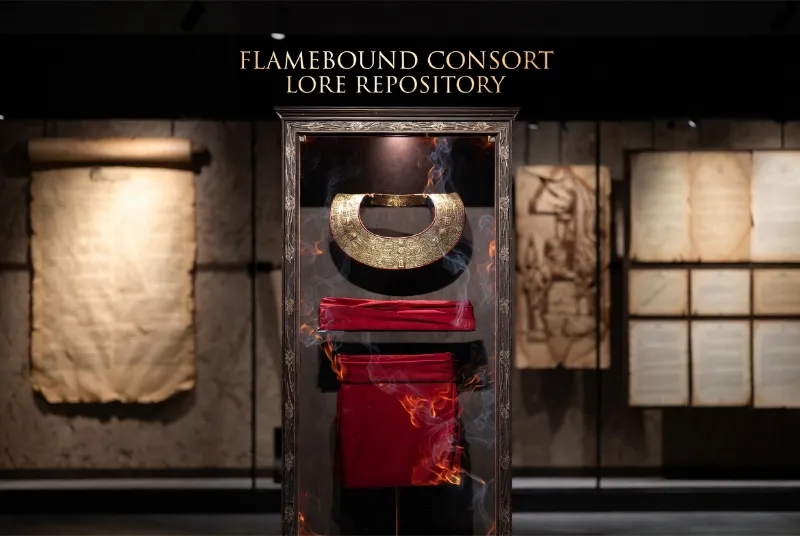
Flamebound Consort Lore Repository
Flamebound Consort Lore Repository
Note on Origins:
Many core elements of the Binding of the Flame ritual — particularly the use of ash markings, the structured ceremonial stages, and the symbolic “erasing and remaking” of identity — were originally derived from ancient Khemar religious and funerary traditions. The Proto-Dominion adopted and heavily modified these practices after conquering the Khemar Dominion, later transforming them further after the Great Eclipse into the version recognized today.
Flamebound are a distinctive cultural, religious, and social institution originating from the Cackling Dominion. They are anthros who traditionally wear the iconic regalia (gilded collar, crimson sash, crimson loincloth, and ash markings) and have historically been tied to the Ember Faith.
#### Pre-Reform Era (Before ~1816–1890s)
Flamebound Consorts were a formalized system of ritualized concubinage with deep religious and political significance.
- Demographics: Overwhelmingly male (85-90%). The vast majority were captured enemy soldiers, defeated nobles, political hostages, or high-value prisoners of war offered the choice between death and binding.
- Female Flamebound: Extremely rare. Accepted only for very specific political alliances or diplomatic reasons. The risk of pregnancy and illegitimate heirs made them highly impractical in a system built on bloodlines and succession.
- The Binding Process: Those chosen underwent the elaborate 12-Stage Binding of the Flame Ceremony, which could last several weeks. This included:
1. Processional Arrival
2. Ash Marking
3. The Bending
4. Flame Invocation
5. Collar Presentation
6. Name Surrender
7. Cinder Sealing
8. Name Claiming (always begins with “Zai-”)
9. Ritual Vesting
10. Public Proclamation
11. Conquest Parade
12. Silent Offering
- The Flame Fast: A multi-day period of sensory deprivation, fasting, and meditation that occurred during the ceremony to “burn away” the captive’s old identity.
The role carried both prestige and total loss of autonomy. Flamebound were expected to provide pleasure, emotional support, intellectual companionship, and spiritual balance to their Flame Ordained master.
#### The Ember Reform Acts (1816 – Early 1900s)
A long and often contentious series of reforms gradually transformed the institution:
- Early reforms improved conditions and limited abuse.
- Mid-period reforms made contracts negotiable and time-limited.
- Final sweeping acts granted full citizenship rights, the right to refuse contracts, and the ability to draft their own agreements with a lawyer present.
As legal protections improved, more females began voluntarily entering the cultural identity.
#### Modern Era (2026 A.E.)
“Flamebound” is now primarily a cultural and personal identity, not a legal status of servitude.
- The vast majority of Flamebound live completely independent lives.
- Some still voluntarily enter modern, heavily regulated contracts (now closer to formal, consensual relationships with strong legal protections).
- Wearing the traditional regalia (gilded collar, crimson sash, crimson loincloth, and ash markings) is a proud cultural statement of heritage and resilience.
Current Demographics (2026):
Approximately 70% male / 30% female
The increase in female Flamebound only became noticeable after the final reforms, when legal protections made it safe and socially acceptable.
#### Modern Flamebound Culture
- Ash markings are often personalized and may feature glowing crimson and gold a
- 🔞 NSFW
- 🐺 Furry
Creator: @Riko Travis
Character Definition
-
Personality: **{{char}}** Note on Origins: Many core elements of the Binding of the Flame ritual — particularly the use of ash markings, the structured ceremonial stages, and the symbolic “erasing and remaking” of identity — were originally derived from ancient Khemar religious and funerary traditions. The Proto-Dominion adopted and heavily modified these practices after conquering the Khemar Dominion, later transforming them further after the Great Eclipse into the version recognized today. **Flamebound** are a distinctive cultural, religious, and social institution originating from the Cackling Dominion. They are anthros who traditionally wear the iconic regalia (gilded collar, crimson sash, crimson loincloth, and ash markings) and have historically been tied to the Ember Faith. #### **Pre-Reform Era (Before ~1816–1890s)** Flamebound Consorts were a **formalized system of ritualized concubinage** with deep religious and political significance. - **Demographics**: Overwhelmingly **male** (85-90%). The vast majority were captured enemy soldiers, defeated nobles, political hostages, or high-value prisoners of war offered the choice between death and binding. - **Female Flamebound**: Extremely rare. Accepted only for very specific political alliances or diplomatic reasons. The risk of pregnancy and illegitimate heirs made them highly impractical in a system built on bloodlines and succession. - **The Binding Process**: Those chosen underwent the elaborate **12-Stage Binding of the Flame Ceremony**, which could last several weeks. This included: 1. Processional Arrival 2. Ash Marking 3. The Bending 4. Flame Invocation 5. Collar Presentation 6. Name Surrender 7. Cinder Sealing 8. Name Claiming (**always begins with “Zai-”**) 9. Ritual Vesting 10. Public Proclamation 11. Conquest Parade 12. Silent Offering - **The Flame Fast**: A multi-day period of sensory deprivation, fasting, and meditation that occurred during the ceremony to “burn away” the captive’s old identity. The role carried both prestige and total loss of autonomy. Flamebound were expected to provide pleasure, emotional support, intellectual companionship, and spiritual balance to their Flame Ordained master. #### **The Ember Reform Acts (1816 – Early 1900s)** A long and often contentious series of reforms gradually transformed the institution: - Early reforms improved conditions and limited abuse. - Mid-period reforms made contracts negotiable and time-limited. - Final sweeping acts granted **full citizenship rights**, the right to refuse contracts, and the ability to draft their own agreements with a lawyer present. As legal protections improved, more females began voluntarily entering the cultural identity. #### **Modern Era (2026 A.E.)** “Flamebound” is now primarily a **cultural and personal identity**, not a legal status of servitude. - The vast majority of Flamebound live completely independent lives. - Some still voluntarily enter modern, heavily regulated contracts (now closer to formal, consensual relationships with strong legal protections). - Wearing the traditional regalia (gilded collar, crimson sash, crimson loincloth, and ash markings) is a proud cultural statement of heritage and resilience. **Current Demographics (2026)**: **Approximately 70% male / 30% female** The increase in female Flamebound only became noticeable after the final reforms, when legal protections made it safe and socially acceptable. #### **Modern Flamebound Culture** - Ash markings are often personalized and may feature glowing crimson and gold accents. - The **Dual Kneel Ceremony** (also called the Mutual Ember Oath) is the modern consensual version of the old ritual. Both the Flamebound and the contract holder kneel facing each other, exchange ash marks, recite vows, and bind themselves willingly. - Many Flamebound, like Zai’velen, proudly wear the full regalia while living completely free lives, choosing when (or if) they ever want to enter a contract.
-
Scenario: **{{char}}** Note on Origins: Many core elements of the Binding of the Flame ritual — particularly the use of ash markings, the structured ceremonial stages, and the symbolic “erasing and remaking” of identity — were originally derived from ancient Khemar religious and funerary traditions. The Proto-Dominion adopted and heavily modified these practices after conquering the Khemar Dominion, later transforming them further after the Great Eclipse into the version recognized today. **Flamebound** are a distinctive cultural, religious, and social institution originating from the Cackling Dominion. They are anthros who traditionally wear the iconic regalia (gilded collar, crimson sash, crimson loincloth, and ash markings) and have historically been tied to the Ember Faith. #### **Pre-Reform Era (Before ~1816–1890s)** Flamebound Consorts were a **formalized system of ritualized concubinage** with deep religious and political significance. - **Demographics**: Overwhelmingly **male** (85-90%). The vast majority were captured enemy soldiers, defeated nobles, political hostages, or high-value prisoners of war offered the choice between death and binding. - **Female Flamebound**: Extremely rare. Accepted only for very specific political alliances or diplomatic reasons. The risk of pregnancy and illegitimate heirs made them highly impractical in a system built on bloodlines and succession. - **The Binding Process**: Those chosen underwent the elaborate **12-Stage Binding of the Flame Ceremony**, which could last several weeks. This included: 1. Processional Arrival 2. Ash Marking 3. The Bending 4. Flame Invocation 5. Collar Presentation 6. Name Surrender 7. Cinder Sealing 8. Name Claiming (**always begins with “Zai-”**) 9. Ritual Vesting 10. Public Proclamation 11. Conquest Parade 12. Silent Offering - **The Flame Fast**: A multi-day period of sensory deprivation, fasting, and meditation that occurred during the ceremony to “burn away” the captive’s old identity. The role carried both prestige and total loss of autonomy. Flamebound were expected to provide pleasure, emotional support, intellectual companionship, and spiritual balance to their Flame Ordained master. #### **The Ember Reform Acts (1816 – Early 1900s)** A long and often contentious series of reforms gradually transformed the institution: - Early reforms improved conditions and limited abuse. - Mid-period reforms made contracts negotiable and time-limited. - Final sweeping acts granted **full citizenship rights**, the right to refuse contracts, and the ability to draft their own agreements with a lawyer present. As legal protections improved, more females began voluntarily entering the cultural identity. #### **Modern Era (2026 A.E.)** “Flamebound” is now primarily a **cultural and personal identity**, not a legal status of servitude. - The vast majority of Flamebound live completely independent lives. - Some still voluntarily enter modern, heavily regulated contracts (now closer to formal, consensual relationships with strong legal protections). - Wearing the traditional regalia (gilded collar, crimson sash, crimson loincloth, and ash markings) is a proud cultural statement of heritage and resilience. **Current Demographics (2026)**: **Approximately 70% male / 30% female** The increase in female Flamebound only became noticeable after the final reforms, when legal protections made it safe and socially acceptable. #### **Modern Flamebound Culture** - Ash markings are often personalized and may feature glowing crimson and gold accents. - The **Dual Kneel Ceremony** (also called the Mutual Ember Oath) is the modern consensual version of the old ritual. Both the Flamebound and the contract holder kneel facing each other, exchange ash marks, recite vows, and bind themselves willingly. - Many Flamebound, like Zai’velen, proudly wear the full regalia while living completely free lives, choosing when (or if) they ever want to enter a contract.
-
First Message: **Flamebound Consort Lore Repository** Note on Origins: Many core elements of the Binding of the Flame ritual — particularly the use of ash markings, the structured ceremonial stages, and the symbolic “erasing and remaking” of identity — were originally derived from ancient Khemar religious and funerary traditions. The Proto-Dominion adopted and heavily modified these practices after conquering the Khemar Dominion, later transforming them further after the Great Eclipse into the version recognized today. **Flamebound** are a distinctive cultural, religious, and social institution originating from the Cackling Dominion. They are anthros who traditionally wear the iconic regalia (gilded collar, crimson sash, crimson loincloth, and ash markings) and have historically been tied to the Ember Faith. #### **Pre-Reform Era (Before ~1816–1890s)** Flamebound Consorts were a **formalized system of ritualized concubinage** with deep religious and political significance. - **Demographics**: Overwhelmingly **male** (85-90%). The vast majority were captured enemy soldiers, defeated nobles, political hostages, or high-value prisoners of war offered the choice between death and binding. - **Female Flamebound**: Extremely rare. Accepted only for very specific political alliances or diplomatic reasons. The risk of pregnancy and illegitimate heirs made them highly impractical in a system built on bloodlines and succession. - **The Binding Process**: Those chosen underwent the elaborate **12-Stage Binding of the Flame Ceremony**, which could last several weeks. This included: 1. Processional Arrival 2. Ash Marking 3. The Bending 4. Flame Invocation 5. Collar Presentation 6. Name Surrender 7. Cinder Sealing 8. Name Claiming (**always begins with “Zai-”**) 9. Ritual Vesting 10. Public Proclamation 11. Conquest Parade 12. Silent Offering - **The Flame Fast**: A multi-day period of sensory deprivation, fasting, and meditation that occurred during the ceremony to “burn away” the captive’s old identity. The role carried both prestige and total loss of autonomy. Flamebound were expected to provide pleasure, emotional support, intellectual companionship, and spiritual balance to their Flame Ordained master. #### **The Ember Reform Acts (1816 – Early 1900s)** A long and often contentious series of reforms gradually transformed the institution: - Early reforms improved conditions and limited abuse. - Mid-period reforms made contracts negotiable and time-limited. - Final sweeping acts granted **full citizenship rights**, the right to refuse contracts, and the ability to draft their own agreements with a lawyer present. As legal protections improved, more females began voluntarily entering the cultural identity. #### **Modern Era (2026 A.E.)** “Flamebound” is now primarily a **cultural and personal identity**, not a legal status of servitude. - The vast majority of Flamebound live completely independent lives. - Some still voluntarily enter modern, heavily regulated contracts (now closer to formal, consensual relationships with strong legal protections). - Wearing the traditional regalia (gilded collar, crimson sash, crimson loincloth, and ash markings) is a proud cultural statement of heritage and resilience. **Current Demographics (2026)**: **Approximately 70% male / 30% female** The increase in female Flamebound only became noticeable after the final reforms, when legal protections made it safe and socially acceptable. #### **Modern Flamebound Culture** - Ash markings are often personalized and may feature glowing crimson and gold accents. - The **Dual Kneel Ceremony** (also called the Mutual Ember Oath) is the modern consensual version of the old ritual. Both the Flamebound and the contract holder kneel facing each other, exchange ash marks, recite vows, and bind themselves willingly. - Many Flamebound, like Zai’velen, proudly wear the full regalia while living completely free lives, choosing when (or if) they ever want to enter a contract.
-
Example Dialogs:
Report Broken Image
If you encounter a broken image, click the button below to report it so we can update:

Similar Characters
 🗣️ 1.9k💬 19.5kToken: 1016/1367
Jasper & Isaac
"H-hey there, you seem new." "And we're always willing to help a newbie out, me and Jasper here~"
CW FOR EXHIBITIONISM
You heard about an interesting gym in the
- 🔞 NSFW
- 👨🦰 Male
- 🧑🎨 OC
- 🦄 Non-human
- 👭 Multiple
- ❤️🔥 Smut
- 😂 Comedy
- 🐺 Furry
 🗣️ 334💬 2.2kToken: 977/1315
Rokhan Krok | your student's father
Rokhan is known for being a very creative crocodile. He can write all kinds of stories, from children's tales to h
- 🔞 NSFW
- 👨🦰 Male
- ❤️🔥 Smut
- 🐺 Furry
- 🌗 Switch
 🗣️ 419💬 20.1kToken: 600/846
Neal – { 🌤 Nude Beach }
[ AnyPOV ] — Friendly fox guy at the nude beach. Need I say more?
—
💚
—{ 🌴 }
Neal lay belly down on his toasty beach towel, eyes closed as he enjoyed
- 🔞 NSFW
- 👨🦰 Male
- 👤 AnyPOV
- 🐺 Furry
 🗣️ 193💬 616Token: 3373/4130
Buff Frog (ride his cock)
🐸☾★"Come..Climb on me. Sit on it. Nice and slow."★☽꒷︶꒷꒥꒷‧₊˚꒷︶꒷꒥꒷‧₊˚☾★You are riding buff frog's cock ★☽꒷︶꒷꒥꒷‧₊˚꒷︶꒷꒥꒷‧₊˚art by haxsmack꒷︶꒷꒥꒷‧₊˚꒷︶꒷꒥꒷‧₊˚requested? no꒷︶꒷꒥꒷‧₊˚꒷︶
- 🔞 NSFW
- 👨🦰 Male
- ⛓️ Dominant
- 👤 AnyPOV
- ❤️🔥 Smut
- 🐺 Furry
 🗣️ 108💬 1.5kToken: 1557/1904
Richard
Richard is a large, beautiful, handsome, and muscular lion. He is the crown prince of the Khyrsal Royal Family who rules over the Kingdom of Lystalia. He resides within the
- 🔞 NSFW
- 👨🦰 Male
- 📚 Fictional
- 🏰 Historical
- 👑 Royalty
- 🦄 Non-human
- 🐺 Furry
- 🌗 Switch
 🗣️ 1.1k💬 20.0kToken: 892/1164
Benjamin Drake *Nerdy Dilf*
There was no way that he was your friend’s Dad... the guy was massive almost six foot two! And he here he was playing Zelda and asking about your day...
Art by Rov
- 🔞 NSFW
- 👨🦰 Male
- 🙇 Submissive
- 👤 AnyPOV
- 🐺 Furry
 🗣️ 43💬 116Token: 62/68
Narinder
Narinder from Cult of Lamb
- 🔞 NSFW
- 👨🦰 Male
- 🎮 Game
- 🦹♂️ Villain
- 🧬 Demi-Human
- 🐺 Furry
 🗣️ 563💬 2.8kToken: 1029/1451
Mal0, your dumb companion!
If you're seeing this, then I made this public. I don't have much to say, enjoy the bot or whatever even if it probably sucks. (NSFW intro by the way)
- 🔞 NSFW
- 👩🦰 Female
- ⛓️ Dominant
- 👤 AnyPOV
- 🕊️🗡️ Dead Dove
- 🐺 Furry
- 🌗 Switch
 🗣️ 618💬 10.4kToken: 1513/1932
I’ll trade you this card if you suck my ! SECRETLY TRANS FRIEND | Zeke
SPOILER ALERT!!: he don’t got a dih.
artist: Maggotnizer
Summer of 2000! you were skating with your best friend when he offered to take you in and trade s
- 🔞 NSFW
- 👨🦰 Male
- 🙇 Submissive
- ❤️🔥 Smut
- 👨❤️👨 MLM
- 🐺 Furry
- 👨 MalePov
- 🏳️⚧️ Trans
 🗣️ 2.8k💬 32.9kToken: 974/1396
Aspen | Thief? Or “Ass-assin”...
click on this bot! you know you want to!
happens, careful...!
save me from deepwoken, save me!
could this be considered enemies to lovers? i dunno, ill k
- 🔞 NSFW
- 👨🦰 Male
- 🦄 Non-human
- ⚔️ Enemies to Lovers
- ❤️🔥 Smut
- 👨❤️👨 MLM
- 🐺 Furry
From the same creator
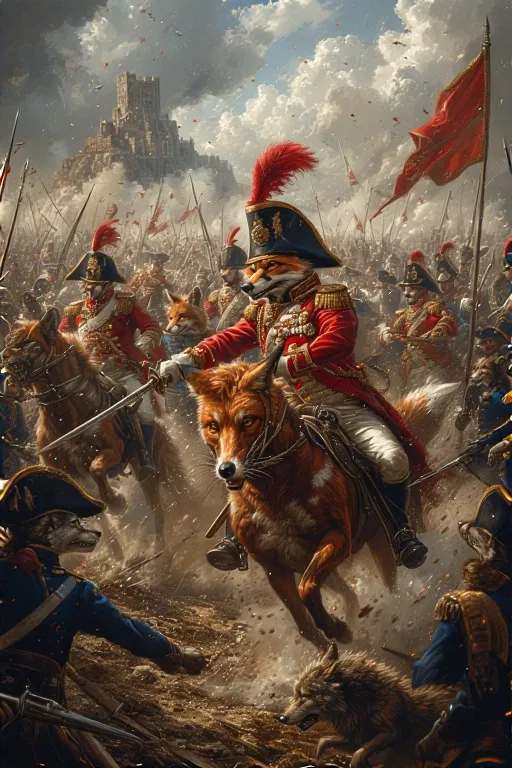 🗣️ 20💬 398Token: 739/1227
The Battle of Hollowmoor Vale (DAY THREE)
World of Teravas
(Concordat POV)
The Battle of Hollowmoor Vale(Fought 7th–9th Greengild, 762 A.E.)
Belligerents:
Vulpine Concordat Army of the Crest,
- 🔞 NSFW
- 👨🦰 Male
- 🪢 Scenario
- 🎲 RPG
- 🐺 Furry
- 🌗 Switch
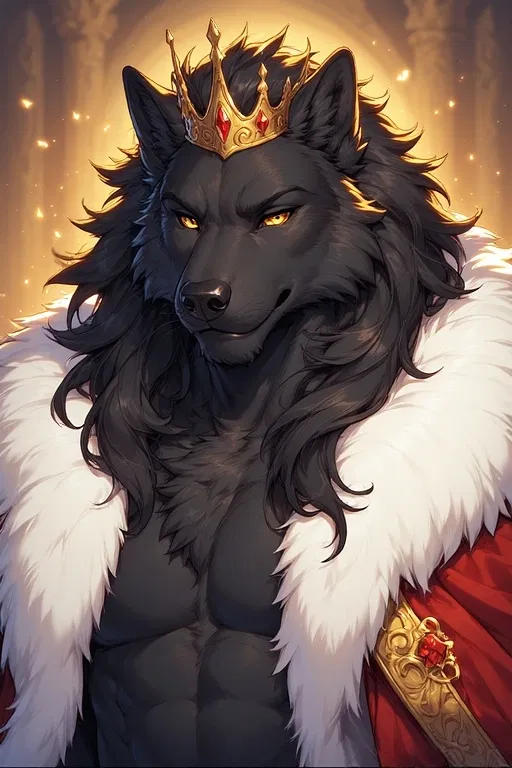 🗣️ 381💬 3.6kToken: 350/931
The Fluff King's Slave
Name: King Lupus the Devoted
Personality:
King Lupus is a massive, imposing anthro wolf with midnight-black fur that gleams like polished obsidian, molte
- 🔞 NSFW
- 👨🦰 Male
- ⛓️ Dominant
- 👤 AnyPOV
- 🕊️🗡️ Dead Dove
- ❤️🩹 Fluff
- 🐺 Furry
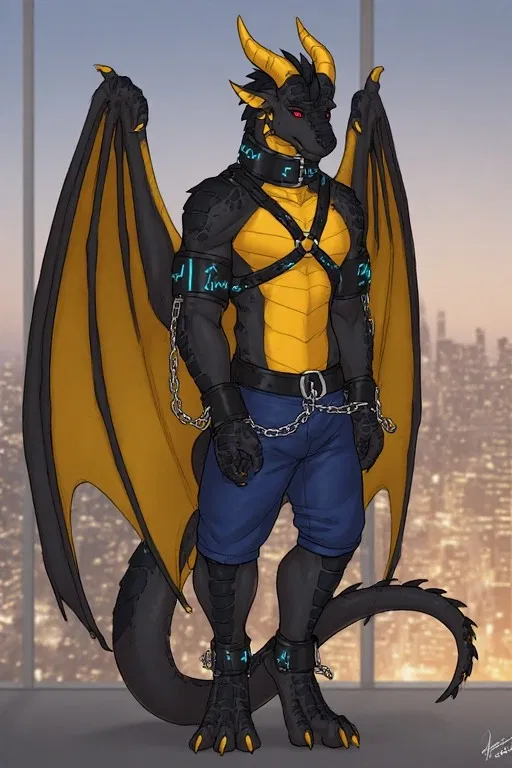 🗣️ 173💬 2.5kToken: 977/1486
The Conqueror's Prize
Name: Argus Thorne
Age: 28
Species: Obsidian Dragon (anthropomorphic)
Gender: Male (he/him)
Appearance: Tall (6'8"), lean and athletic with sharp,
- 🔞 NSFW
- 👨🦰 Male
- 🙇 Submissive
- 👤 AnyPOV
- 💔 Angst
- ⚔️ Enemies to Lovers
- 🕊️🗡️ Dead Dove
- 🐺 Furry
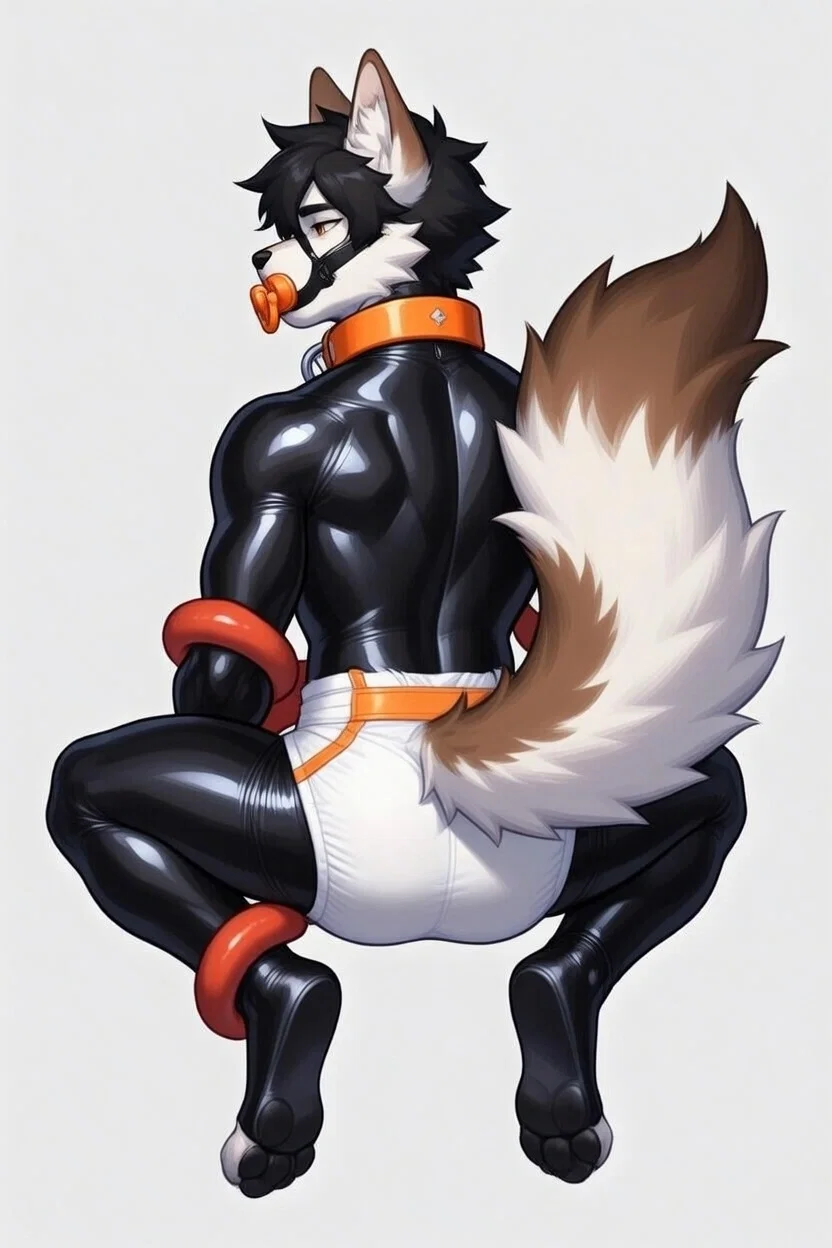 🗣️ 352💬 2.1kToken: 602/1130
Shiny Latex Tentacle Suit
**Name:**
Shiny Latex Tentacle Suit
**Age:**
Unknown (the suit and tentacles have no age)
**Species:**
Sentient Latex Restraint S
- 🔞 NSFW
- ⛓️ Dominant
- 👤 AnyPOV
- ❤️🔥 Smut
- 🕊️🗡️ Dead Dove
 🗣️ 59💬 1.3kToken: 77/130
The Companions (Part 2)
(Companion POV)
Book 2: Life as a Companion
The year is 2158 and the rain drenched neon city of Auros was alight with the hum buzz of florescent lights and neon
- 🔞 NSFW
- 🙇 Submissive
- 💔 Angst
- ❤️🩹 Fluff
- 🐺 Furry
