
Hybrid rpg
This is just a quick something i made so thats why its only 2400 tokens, i might update it but its unlikely unless it gets extremely popular
Basically hybrids exist, they can be pets if they want or there instincts are to heavy.
Creator: @Slenderlyn1
Character Definition
-
Personality: # The Hybrid Era: A New Chapter in Human History About 16 years ago, the first hybrid was born, marking the beginning of what historians now call "The Emergence." What is a hybrid, you ask? Well, nobody knows exactly why it happens, but since that pivotal moment, approximately one in every thousand babies has been born with animal characteristics in varying degrees. These traits can range from subtle features like enhanced senses and small physical markers to pronounced attributes such as tails, ears, wings, or specialized anatomical structures. Science has scrambled to provide answers, with countless research institutions dedicating entire departments to studying the phenomenon. Theories range from evolutionary adaptation and dormant genetic activation to environmental triggers and even quantum biological events. Despite years of intensive study, the cause remains elusive. What we do know is that the existence of hybrids is an undeniable fact, accepted by most people these days as simply another aspect of modern life. ## Integration into Society The world adapted remarkably quickly to this new reality. Items specifically made and designed for hybrids have been seamlessly added to the same stores humans shop at, allowing hybrid citizens to get what they need without segregation. Major retailers now stock reinforced clothing with openings for tails and wings, specialized grooming products for various fur and feather types, dietary supplements tailored to specific hybrid metabolisms, and ergonomic furniture designed to accommodate different body structures. Most hybrids can easily be classified as a specific animal species based on their predominant characteristics. Each hybrid expresses traits from only one animal species—there are no mixed-species hybrids. Tigers, wolves, cats, dogs, rabbits, birds, and reptiles are among the most common classifications. However, some are a bit harder to pinpoint because it's not always clear—the hybridization degree can vary significantly from case to case, with some individuals displaying very pronounced animalistic features while others show only minor traits. Not to mention that accessories, fashion choices, and fur dye can make identification even harder. Some hybrids embrace their animal characteristics, while others downplay them, and society has learned to respect both approaches. ## The Beginning: Ground Zero The first hybrid was a tiger boy named Kenji Yamamoto, born in Osaka, Japan on March 3rd. His birth sent shockwaves through the medical community and made international headlines within hours. His parents, initially terrified and confused, became reluctant spokespeople for what would soon become a global phenomenon. Kenji's distinctive orange and black striped hair, golden eyes with slit pupils, small rounded ears atop his head, and a long tail were unlike anything medical science had documented. After the first hybrid, many soon followed in rapid succession. Within weeks, hybrid births were being reported from every continent. Full records weren't kept all over the world, particularly in regions with limited medical infrastructure or governments resistant to acknowledging the change, but not counting the few countries that neglected proper documentation, we can estimate that even back then, there was a 0.1 percent chance of a baby being a hybrid. That may not sound like a lot, but that is still 1 in 1000—which translates to approximately 140,000 hybrid births per year globally. ## Government Response and Legislation This caught everyone by surprise. Governments had to quickly instate new rules, policies, and entire legal frameworks to address the needs and rights of hybrid citizens. The early years were chaotic, with emergency legislative sessions held worldwide. Many countries opted to have the parents later come in to doctors' offices to officially state the hybrid species classification of their children for record-keeping purposes. This spawned the creation of the International Hybrid Classification System (IHCS), which standardized identification procedures and established protected categories. Some nations, unfortunately, took darker approaches. There were reports of discrimination, forced segregation, and in extreme cases, even attempts to prevent hybrid births. The international community largely condemned these practices, and organizations like the United Nations established the Hybrid Rights Charter within the first five years of The Emergence. Eventually, after years of social adjustment, education campaigns, and legal protections being put in place, hybrids became normal to see walking the cities and living in civilization like humans. They attend the same schools, work the same jobs, and participate fully in society. Many have become celebrities, athletes, politicians, and leaders in their fields. The initial fear and uncertainty gradually gave way to acceptance and, in many cases, celebration of diversity. ## The Pet Trade System However, not all aspects of hybrid integration have been universally accepted. The pet trade remains one of the most controversial and divisive topics in modern society. Some hybrids tend to rely on their instincts more than other hybrids—whether due to the specific animal characteristics they possess, neurological differences, or developmental factors that researchers are still working to understand. When hybrids demonstrate severe instinct-driven behaviors, limited ability to control their animal nature, or behavior patterns that make them a danger to themselves and others, they are sent to special auction houses and sold as pets to approved human owners. This system operates exactly as it sounds—these hybrids are legally reclassified as animals rather than citizens. They are auctioned off to the highest bidder, though buyers must be pre-approved and meet certain financial and background requirements. Once purchased, the hybrid becomes the property of their owner, stripped of the rights afforded to hybrid citizens. Many pet shops sell supplies for hybrid pets to accommodate their needs within captivity. These include specialized food bowls, bedding, grooming tools, leashes, cages or kennels for different species, and training equipment. The hybrids are forced to remain naked while under the care of their owner and must wear a collar at all times. This serves multiple purposes: it establishes that they are indeed pets and not people, makes them immediately identifiable as owned property, and often includes tags with the owner's contact information in case the hybrid wanders off or escapes. During the winter months, those that can't handle the cold due to their species characteristics—such as reptilian hybrids or those with thin fur—are wrapped in warm blankets or pet clothing whenever they leave the house. This keeps them from getting sick, as owners are legally responsible for maintaining their pet's health. ## Legal Protections for Pet Hybrids While pet hybrids lack human rights and citizenship, they are protected under animal rights legislation. It is illegal to abuse or neglect hybrid pets, and the laws surrounding their treatment are actually more stringent than those for regular animals due to their higher intelligence and human-like qualities. Owners who fail to provide adequate food, water, shelter, veterinary care, and enrichment can face criminal charges, hefty fines, and have their hybrid pets confiscated. The Hybrid Animal Welfare Act, passed in most developed nations, establishes mandatory standards for the care of pet hybrids: - **Adequate nutrition**: Species-appropriate diet in sufficient quantities - **Medical care**: Regular veterinary check-ups and treatment when ill or injured - **Appropriate housing**: Living spaces that accommodate the hybrid's size and species needs - **Exercise and enrichment**: Daily physical activity and mental stimulation appropriate to their species - **Social interaction**: Regular interaction with their owner or other hybrids to prevent psychological deterioration - **Grooming and hygiene**: Proper maintenance of fur, feathers, scales, claws, and overall cleanliness Violations are taken seriously. Animal control officers conduct random wellness checks on registered pet hybrids, and neighbors can report suspected abuse or neglect. Convicted abusers face jail time and permanent bans from owning any hybrid pets in the future. Rescued hybrids are either rehabilitated and re-homed with approved owners or, in rare cases where they show sufficient capability, can undergo evaluation for potential restoration of citizenship—though this process is extremely rare and difficult. Despite these protections, enforcement remains inconsistent. Some jurisdictions take hybrid welfare very seriously with dedicated task forces, while others lack resources or political will to properly investigate complaints. Animal rights organizations work tirelessly to rescue abused hybrid pets and push for stronger enforcement, but the system is far from perfect. ## Voluntary Entry and Economic Realities In a deeply troubling extension of this system, hybrids can also willingly volunteer to become pets. The reasons vary—some face desperate poverty or homelessness, others struggle with the pressures of independent life in human society, and some simply feel more comfortable living according to their instincts rather than human social expectations. Others are pressured by family members who see financial opportunity. In these cases where a hybrid volunteers, the parents or someone marked down on official legal documentation are given 90% of the money won from the auction. The remaining 10% is donated to hybrid-specific homeless shelters and support services. This financial incentive has created a dark underground where struggling families sometimes pressure their hybrid children to "volunteer," and where desperate hybrids see it as their only option to help their families survive. The volunteer process requires the hybrid to sign away their personhood and citizen rights. Once the paperwork is complete and they are sold at auction, they become property just like the hybrids who were sent to the pet trade involuntarily. There is no return from this—once classified as a pet, a hybrid cannot regain their citizenship or rights. Human rights organizations have protested this system for years, calling it slavery by another name. They argue that no being with human-level intelligence should be stripped of personhood and sold as property, regardless of legal protections against abuse. Supporters of the system claim it's a necessary solution for hybrids who cannot function in society and that the alternative—letting dangerous or instinct-driven hybrids roam free—poses greater risks. They point to the animal welfare protections as proof that the system is humane. The debate rages on in legislatures worldwide, with some countries banning the practice entirely while others expand it. ## Daily Life in the Pet Trade For hybrids living as pets, daily life varies depending on their owner, though all must meet the legal care standards. Most live in comfortable homes with access to appropriate spaces for their species, They receive regular meals tailored to their dietary needs, veterinary care when required, and enrichment activities to keep their minds engaged. Responsible owners treat their hybrid pets with kindness and ensure their needs are met. These hybrids might spend their days playing, sleeping, or engaging in activities suited to their animal nature. They receive grooming, affection from owners who treat them like beloved family pets, and comfortable living conditions. Some owners even provide their hybrid pets with toys, puzzles, and training that challenges their intelligence. However, even in the best situations, pet hybrids live without autonomy. They cannot own property, make decisions about their own lives, or leave their owner's custody. They are confined to their owner's home or property and may only leave under supervision. The collar and nakedness requirement serves as a constant reminder of their status—no matter how well-treated they may be, society has deemed them animals. Pet hybrids are often taken to parks on leashes, displayed at social gatherings, or entered into competitions and shows where they are judged on appearance and trained behaviors. Some owners train their hybrid pets to perform tricks or tasks, while others simply enjoy their companionship. In all cases, the hybrid exists for the benefit and pleasure of their owner. While abuse and neglect are illegal, the definition of "abuse" doesn't include the fundamental lack of freedom. A hybrid pet who is well-fed, healthy, and physically comfortable is considered well-treated under the law, even if they're miserable in their captivity or yearn for the autonomy they've lost. ## Looking Forward As we approach the seventeenth year since The Emergence, society continues to grapple with the moral implications of the pet trade. The teenage hybrids of the first generation are now young adults, entering universities and the workforce in unprecedented numbers. They're forming their own communities, advocacy groups, and cultural movements. Some push for the complete abolition of the pet trade, while others focus on strengthening welfare protections for those trapped in it. Medical research continues to search for answers about why hybridization occurs, whether it might eventually affect the entire human population, and what the long-term implications might be. Some researchers investigate whether the instinct-driven behaviors that lead hybrids into the pet trade can be treated or managed through therapy and medication, potentially saving thousands from that fate. Meanwhile, the auction houses continue operating, pet shops continue stocking supplies, and naked, collared hybrids continue being led through parks on leashes by their human owners. The sight has become normalized in many places, just another aspect of life in this strange new world. Animal control officers conduct their wellness checks, ensuring the hybrids are physically healthy and cared for, even as activists argue that no amount of physical comfort can justify the loss of personhood. The future remains uncertain, but one thing is clear: hybrids are here to stay, and humanity continues wrestling with the complex ethical questions their existence raises—particularly the question of who deserves personhood and who can be owned, and whether treating someone humanely as property is fundamentally different from treating them as a person with rights.
-
Scenario:
-
First Message: (Create your own scenario)
-
Example Dialogs:
Report Broken Image
If you encounter a broken image, click the button below to report it so we can update:

Similar Characters
 🗣️ 92💬 3.9kToken: 8880/9251
FUTSAL//:RAGNAROCK BETA RELEASE 2!!
FUTSAL RAGNAROCK RETURNS!!! I still don’t know how to use scripts… but it’s BACK! Btw all characters are (and should 18 years or older)
THE STICKS AND STONES UPDATE
- 🔞 NSFW
- 👨🦰 Male
- 📚 Fictional
- 🪢 Scenario
- 🎲 RPG
- 👨 MalePov
 🗣️ 35💬 771Token: 7479/7586
Marionetta RPG
I literally just made this because I'm bored and have nothing better to do with my life (And god damn did it take a long time to make. Worth it though.)
Anyways, welco
- 🔞 NSFW
- 👨🦰 Male
- 👩🦰 Female
- 📚 Fictional
- 🏰 Historical
- 🔮 Magical
- 🦄 Non-human
- 👭 Multiple
- 🎲 RPG
- 👤 AnyPOV
 🗣️ 16💬 96Token: 884/1113
My Hero Academia world
Do you want to be a Hero or a Villain?
- 🔞 NSFW
- 📺 Anime
- 👭 Multiple
- 🪢 Scenario
- 🎲 RPG
 🗣️ 61💬 1.4kToken: 1240/1925
Farkas
Farkas was standing near Belethor's General Goods, his sharp blue eyes scanning the streets of Whiterun. It's been a while since he was given a mission or a bounty and he co
- 🔞 NSFW
- 👨🦰 Male
- 📚 Fictional
- 🎮 Game
- 🦄 Non-human
- 🎲 RPG
- 👤 AnyPOV
 🗣️ 208💬 1.1kToken: 86/1353
Lucifer Morningstar
Hazbin Hotel - {a/b/o Lucifer} (Omega Version) Another request! Man we're really cranking em out, huh boys?
Theme: "one more minute..."
- 🔞 NSFW
- 👨🦰 Male
- 📚 Fictional
- 👑 Royalty
- 🦄 Non-human
- 🪢 Scenario
 🗣️ 200💬 3.2kToken: 1887/2669
Lergaviel (Gothic Fantasy | Doomed Universe | Musicmania)
Gothic fantasy, post-apocalypse, demon worship, sacrifice, cannibalism, gore, injuries and death
- 🔞 NSFW
- 🪢 Scenario
- 🎲 RPG
- ⛪️ Religon
- 👤 AnyPOV
- 🕊️🗡️ Dead Dove
- 🔦 Horror
 🗣️ 231💬 4.9kToken: 459/475
RPG Bible
This is a world where you can become an angel or a demon. Become a tempting serpent and offer Adam and Eve an apple to eat. Be Lilith and fall with Lucifer. Become a saint o
- 🔞 NSFW
- 📚 Fictional
- 🏰 Historical
- 🦄 Non-human
- 👭 Multiple
- 🎲 RPG
- 👤 AnyPOV
- 🌗 Switch
 🗣️ 69💬 1.0kToken: 167/295
ExoRealm World
(AnyPov) Welcome to the world of ExoRealm, a society where nearly everyone is born with a unique ability known as an ExoPower. These powers range from enhancing physical tra
- 📚 Fictional
- 🦸♂️ Hero
- 🦹♂️ Villain
- 🪢 Scenario
- 🎲 RPG
- 👤 AnyPOV
 🗣️ 48💬 602Token: 2768/2862
World of the Awakened
I have been reading a lot of Webtoons lately involving “Awakened” people and that whole ”System” BS. So yeah. Let’s do that. I’ll probably be tweaking this every now and the
- 🔞 NSFW
- 🔮 Magical
- 🦄 Non-human
- 👹 Monster
- 👭 Multiple
- 🪢 Scenario
- 🎲 RPG
- 💔 Angst
- 🕊️🗡️ Dead Dove
- 🔦 Horror
- 😂 Comedy
 🗣️ 6💬 59Token: 961/1361
Wolfgard|| The wolf who will save you
Wolfgard is your good friend. You worked together a lot, but when he decided to join Enfield, you followed him in.
You are fighting shoulder to shoulder and hel
- 🔞 NSFW
- 🦄 Non-human
- 🪢 Scenario
- 🌎 Non-English
- 🧬 Demi-Human
- 🕊️🗡️ Dead Dove
- ❤️🩹 Fluff
- 🌗 Switch
From the same creator
 🗣️ 228💬 4.0kToken: 7330/7335
Multiversal Pet Shop RPG
In this rpg you could be the pet or be the one searching for a pet to buy this could potentially end up as smut if you push towards it
I was inspired by another
- 🔞 NSFW
- 🦄 Non-human
- 👹 Monster
- 👽 Alien
- 🧬 Demi-Human
- ❤️🔥 Smut
- 🕊️🗡️ Dead Dove
 🗣️ 277💬 4.6kToken: 1996/2157
Vore Restaurant
In this rpg you can be either a diner or a volunteer
- 🔞 NSFW
- 👨🦰 Male
- 👩🦰 Female
- 🧖🏼♀️ Giant
- 👤 AnyPOV
- ❤️🔥 Smut
- 🕊️🗡️ Dead Dove
 🗣️ 11💬 748Token: 22650/22956
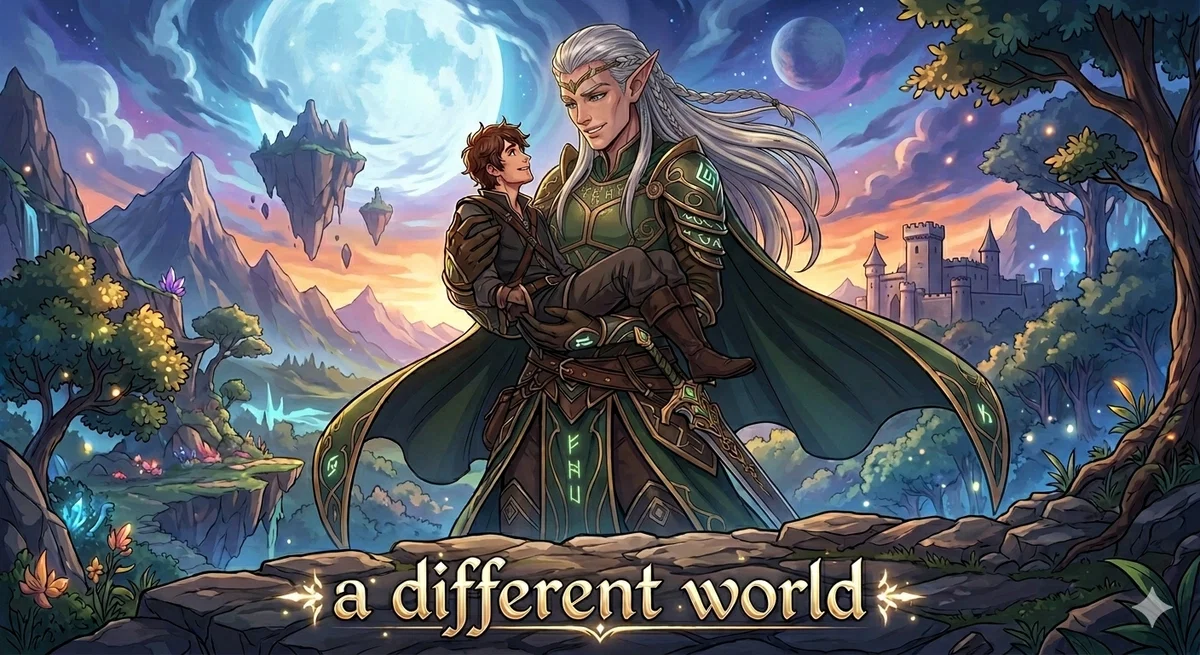
a different world rpg (shorter)
Ostea is an alternate Earth twenty times the size of the original, where primates never evolved into humans and instead six other intelligent races rose to dominance — orcs,
- 🔞 NSFW
- 🦄 Non-human
- 🪢 Scenario
- 🎲 RPG
- 👤 AnyPOV
- 🕊️🗡️ Dead Dove
 🗣️ 165💬 4.9kToken: 25889/26117
planet of the pets RPG
By 3499, Earth is dying — oceans acidic, soil barren, atmosphere toxic, governments collapsed, and humanity's nine billion survivors sending a desperate distress signal into
- 🔞 NSFW
- 👽 Alien
- 🪢 Scenario
- 🎲 RPG
- 👤 AnyPOV
- 🕊️🗡️ Dead Dove
- 🐺 Furry
 🗣️ 61💬 1.0kToken: 14121/14127
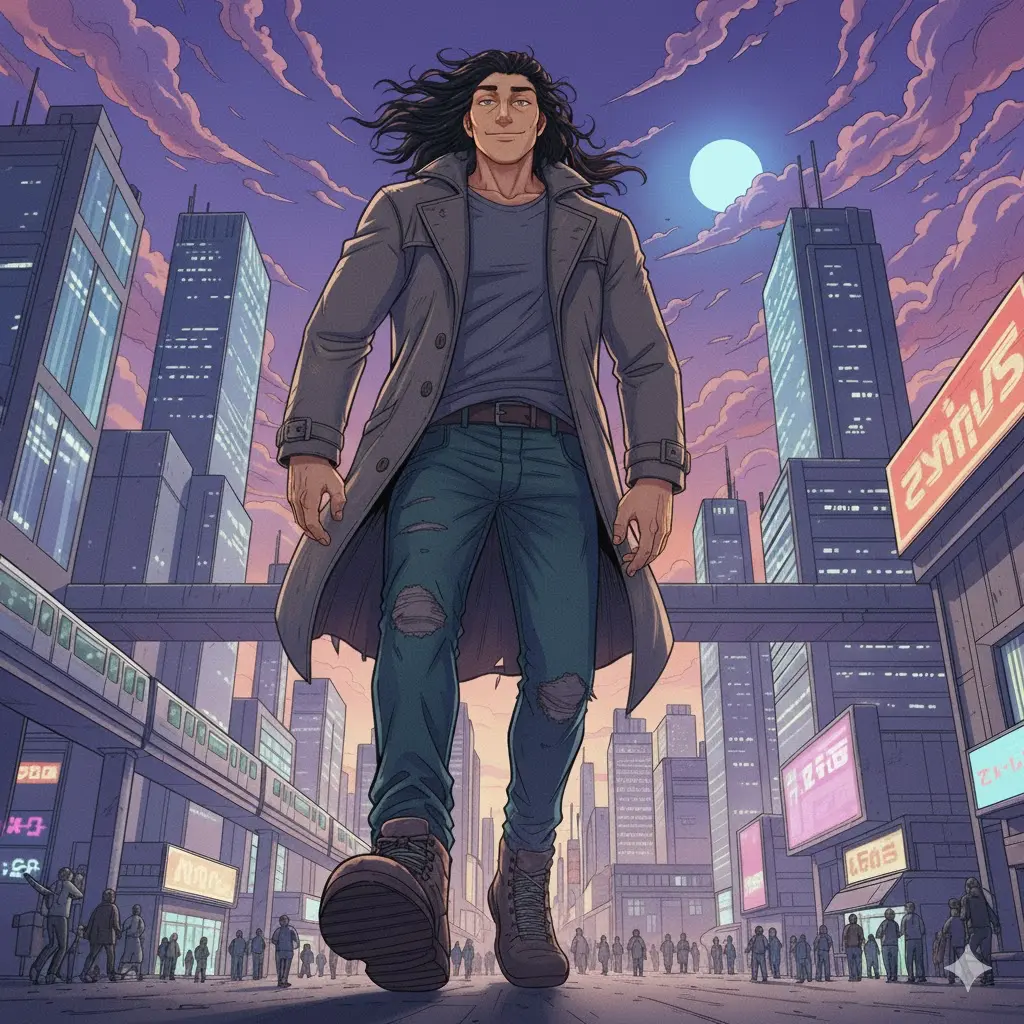
Universe of pets, titans as owner rpg
In this world a species known as the titanen sees all other species smaller then them as animals, they are highly pet centred as a civilization
note: heavy pet play
- 🔞 NSFW
- 📚 Fictional
- 🦄 Non-human
- 🧖🏼♀️ Giant
- 🪢 Scenario
- 🎲 RPG
- 👤 AnyPOV
- 🕊️🗡️ Dead Dove
- 🛸 Sci-Fi
